Showing posts with label people. Show all posts

Monday, December 26, 2011

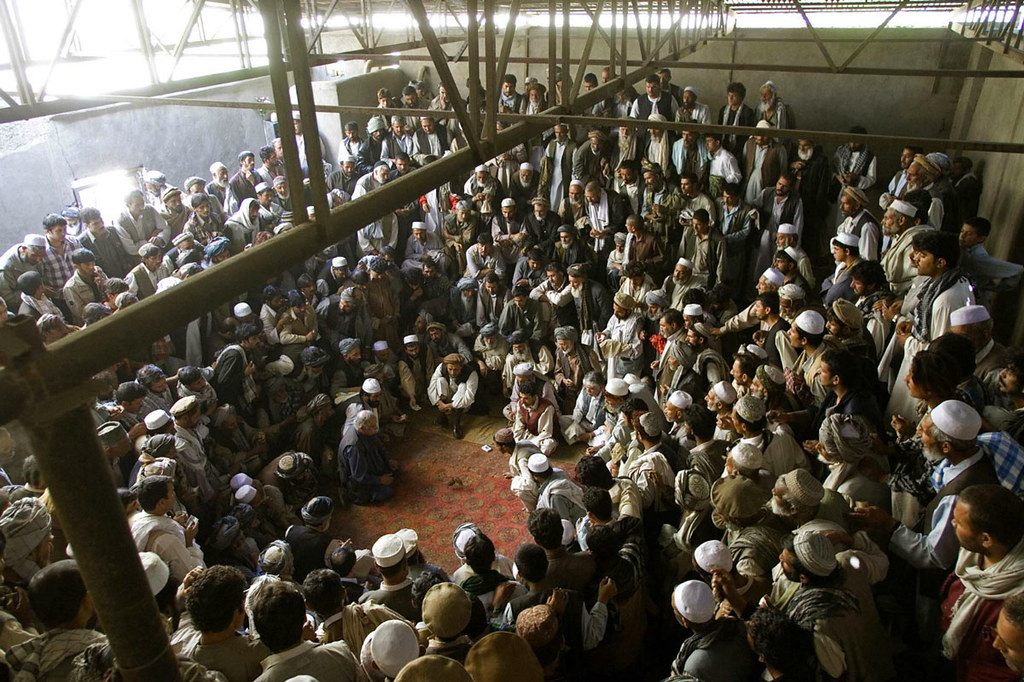
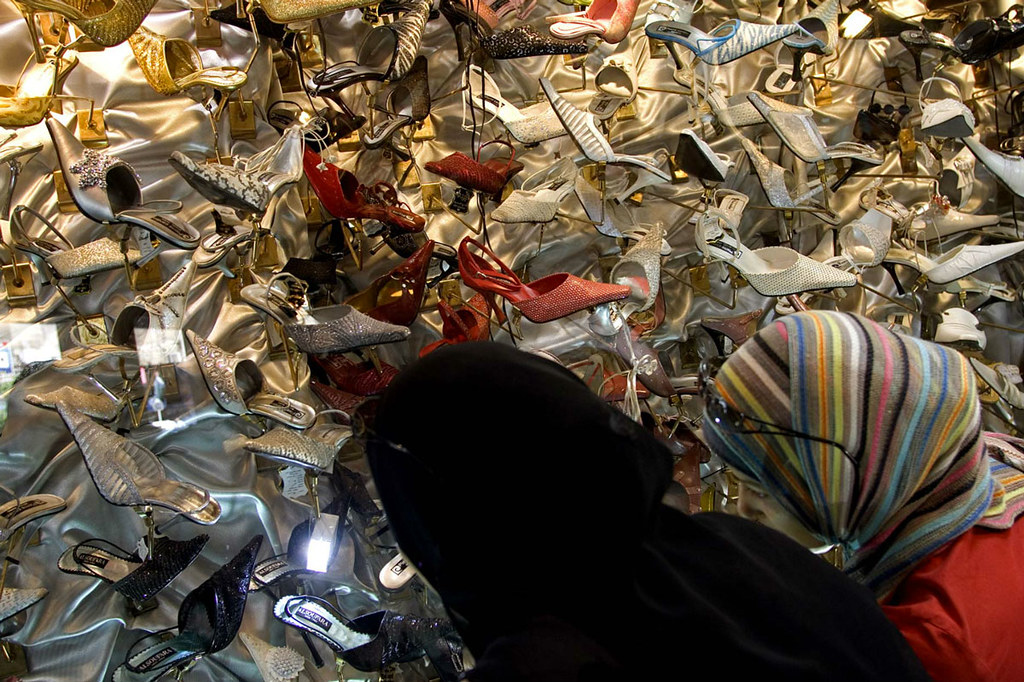
Seamus Murphy

Photographer Seamus Murphy (born 1959) grew up in Ireland and lives in London.


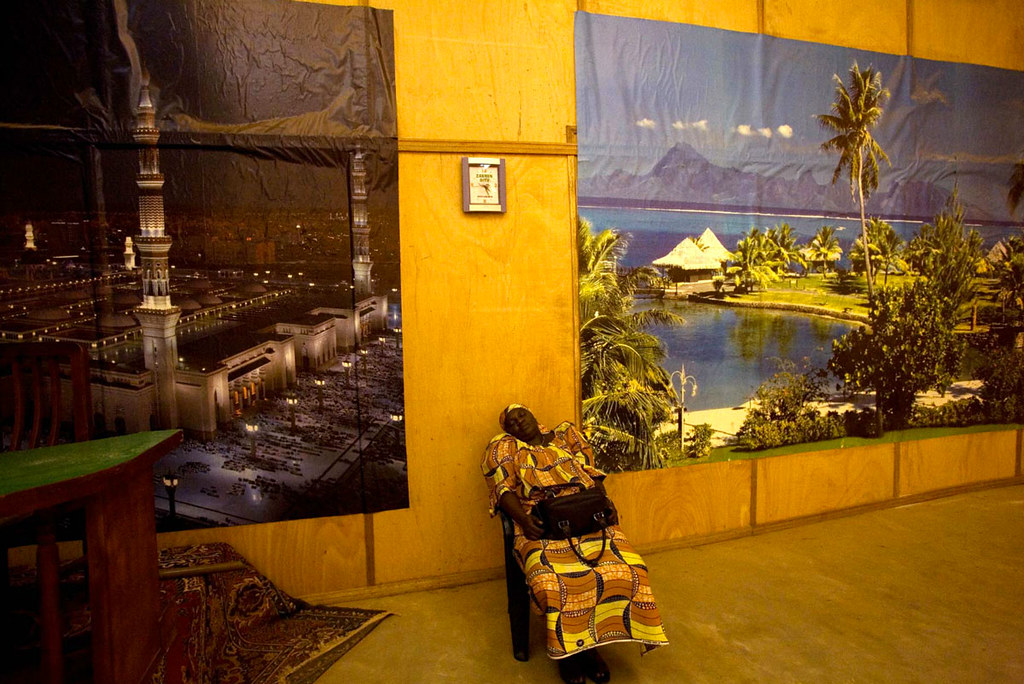
Seamus Murphy 'Providence' Seamus Murphy 'Providence' Seamus Murphy 'Providence'
Providence 

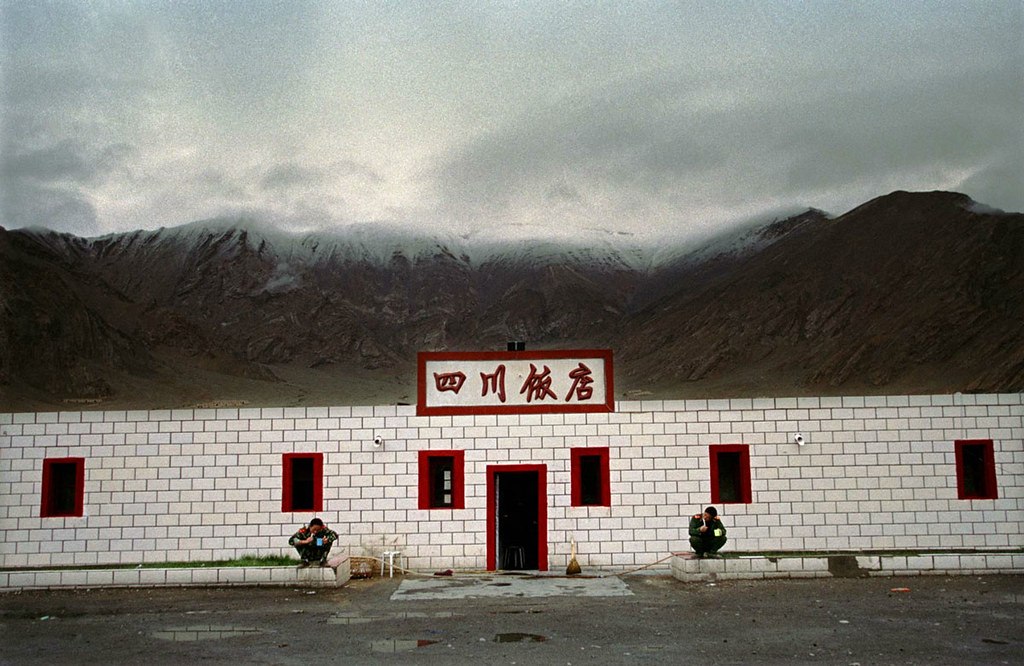
 Seamus Murphy 'East of the Sun'
East of the Sun


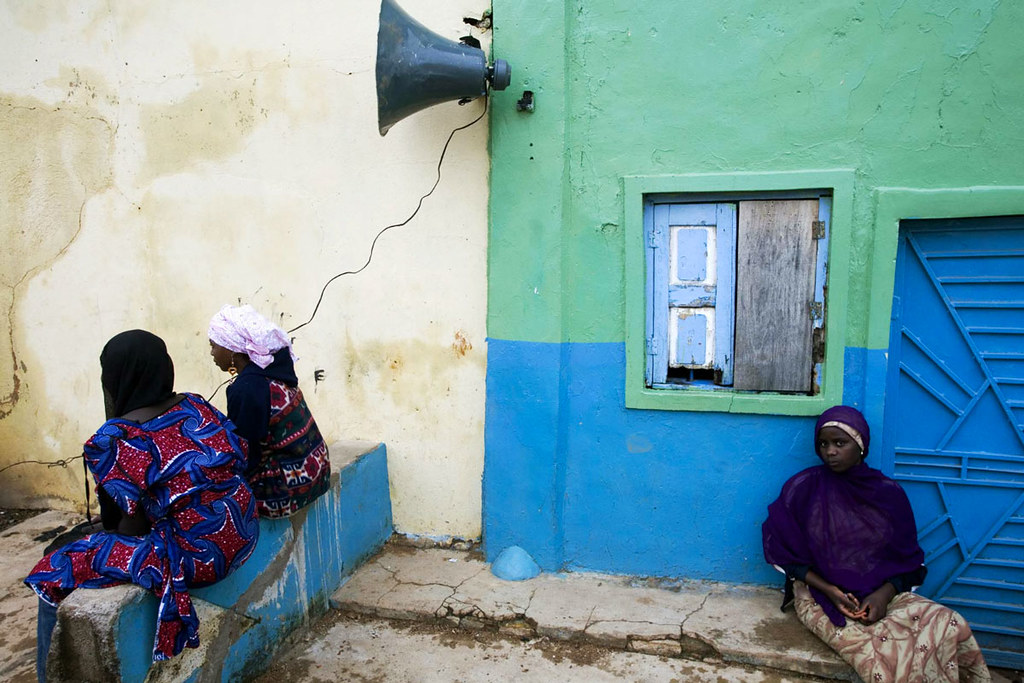
Seamus Murphy 'Gods Country' Seamus Murphy 'Gods Country'Gods Country


Seamus Murphy 'Shambhaia' Seamus Murphy 'Shambhaia'Seamus Murphy 'Shambhaia'
Shambhaia 


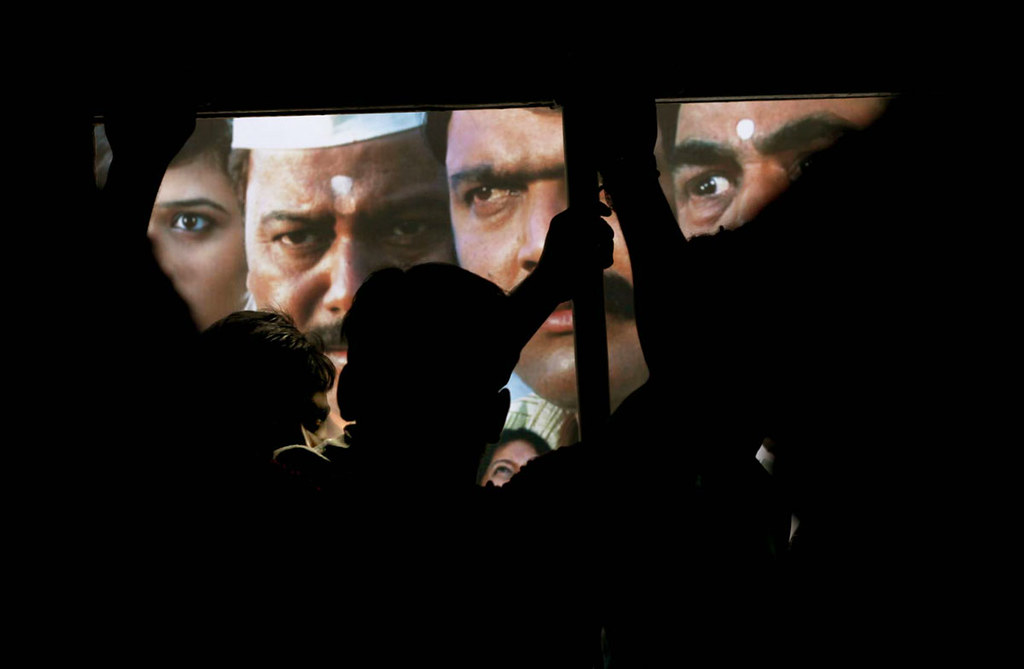
Seamus Murphy 'Maximum City' Seamus Murphy 'Maximum City'
Maximum City 


Seamus Murphy 'Feather weight' Seamus Murphy 'Feather weight'
Feather weight


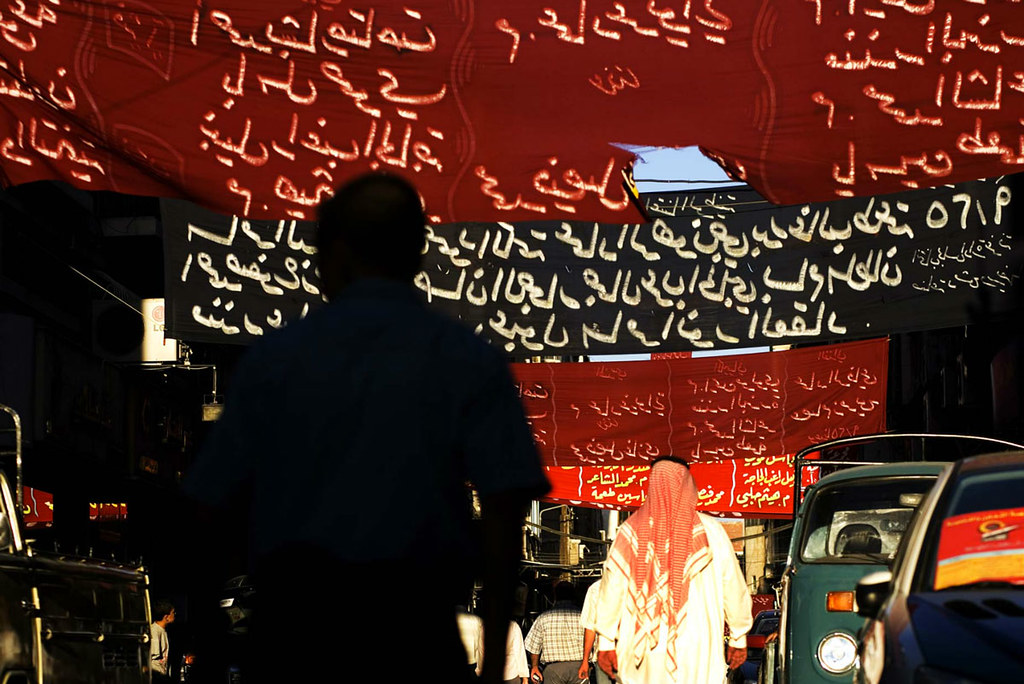
Seamus Murphy 'Syria' Seamus Murphy 'Syria'
Syria

Originally discovered Murphy's work here

Tuesday, November 8, 2011

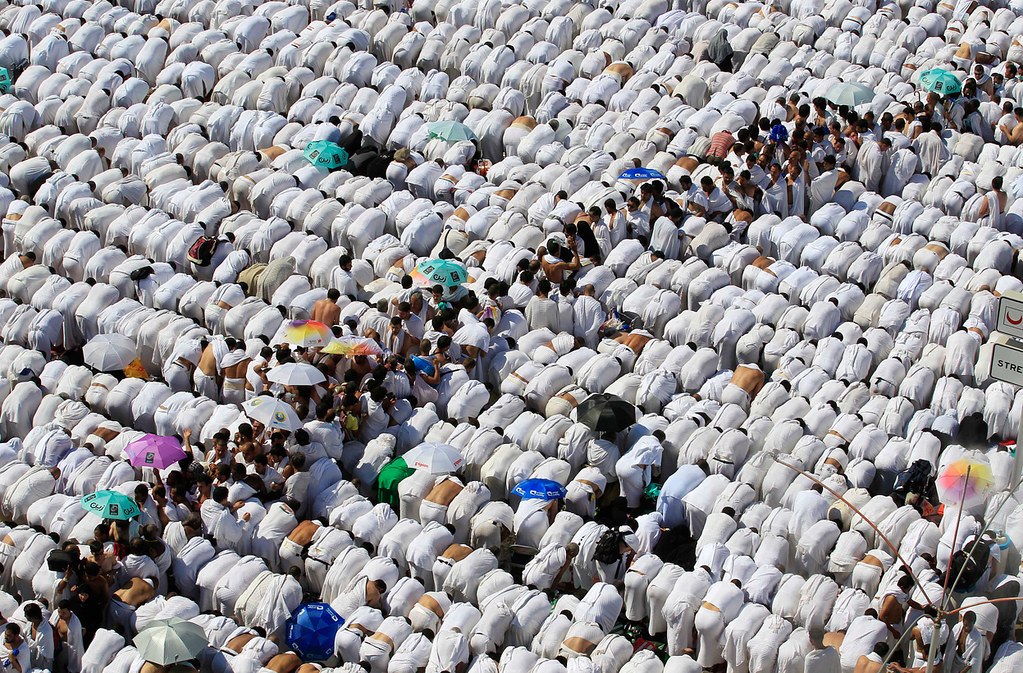
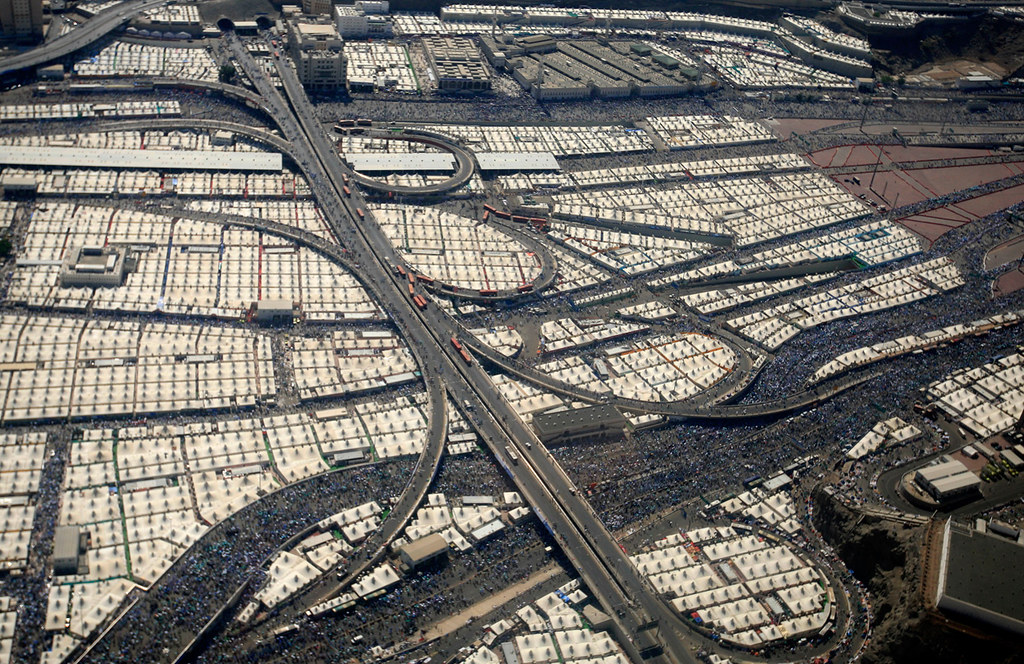
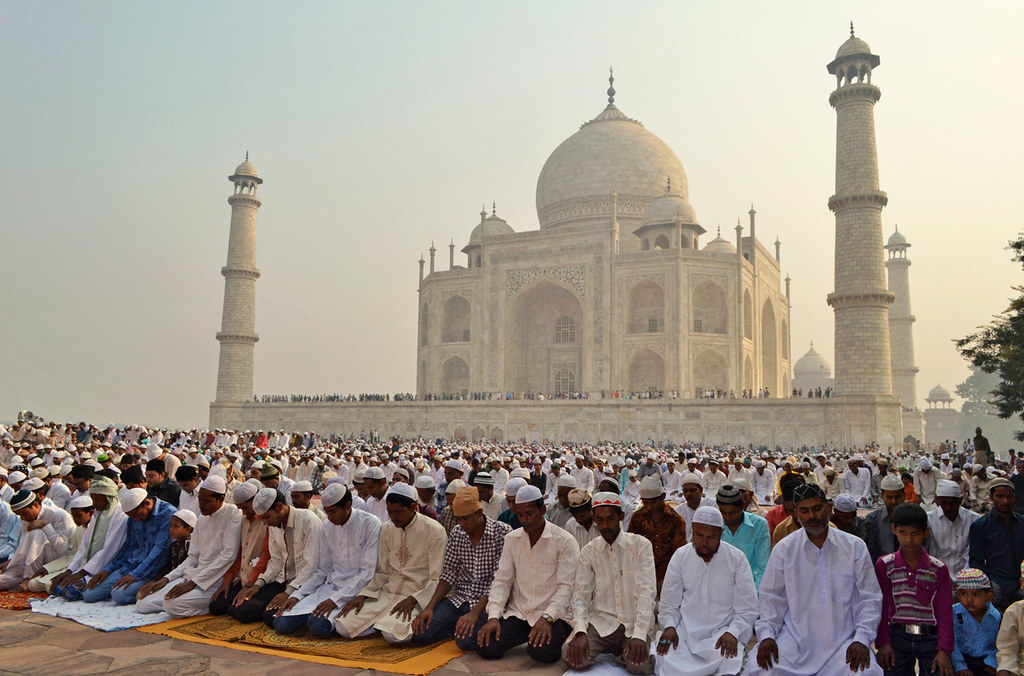
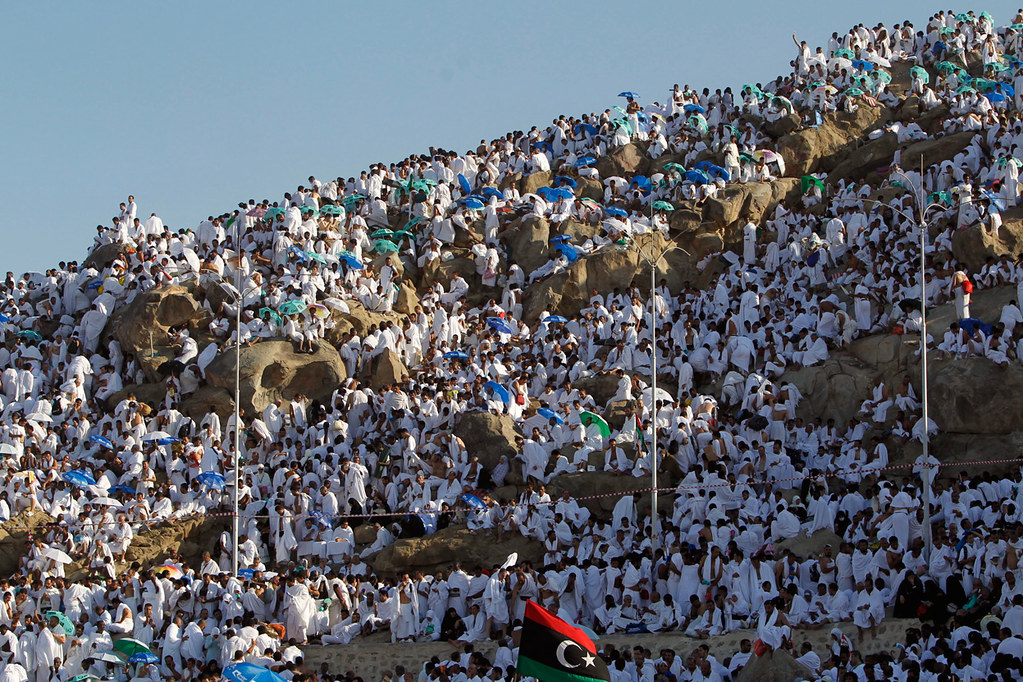
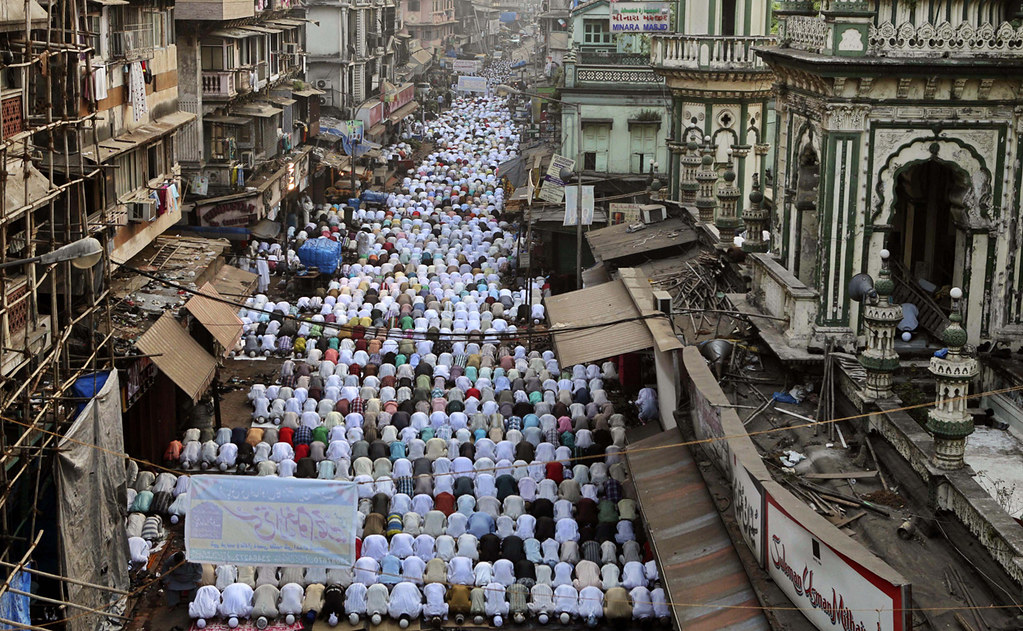
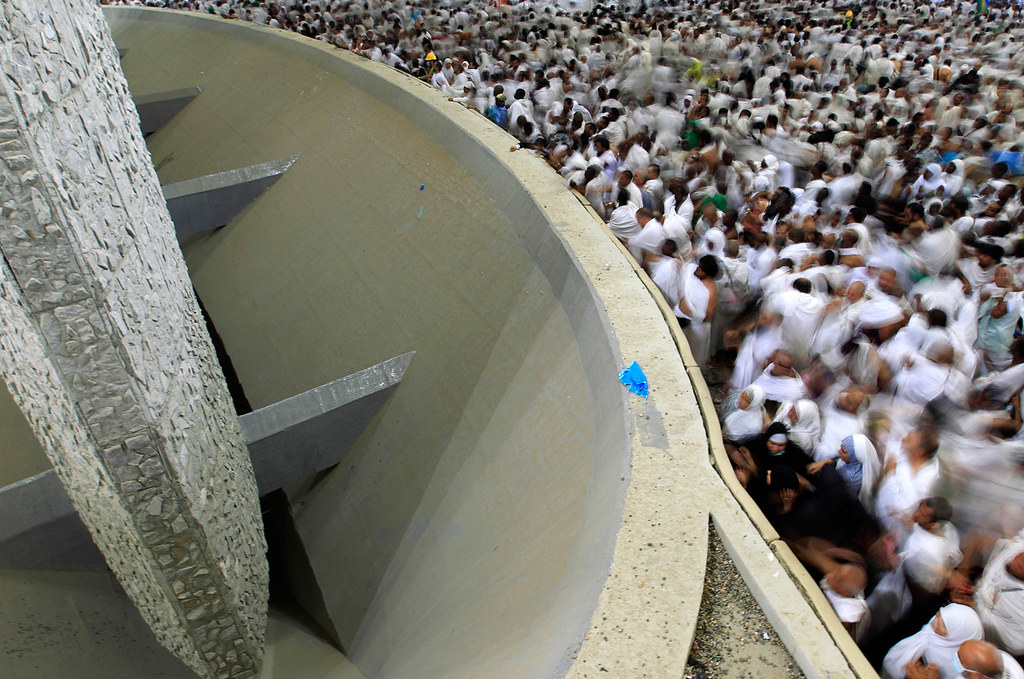
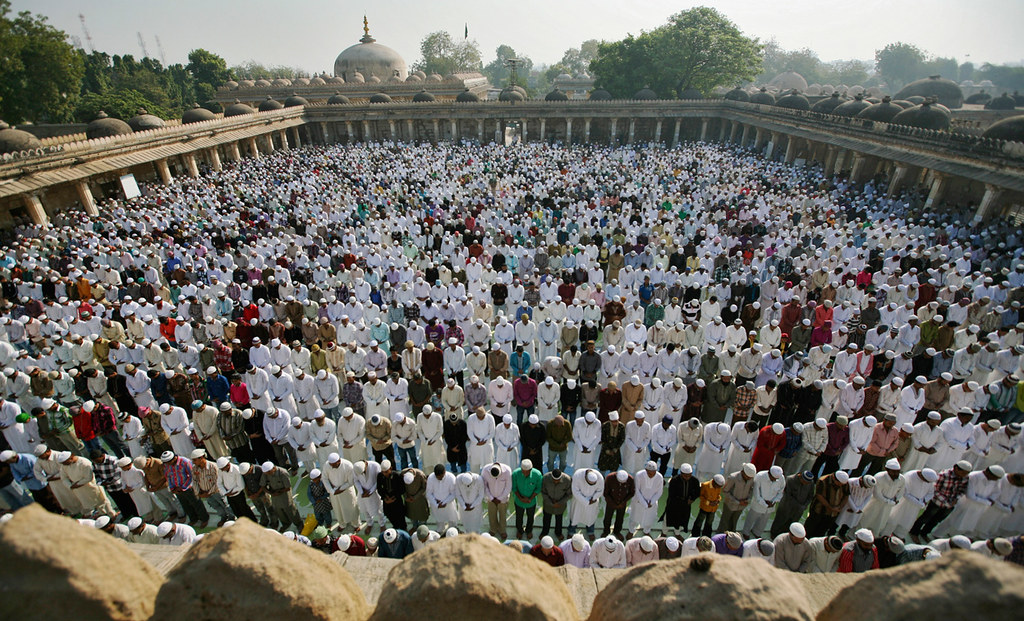
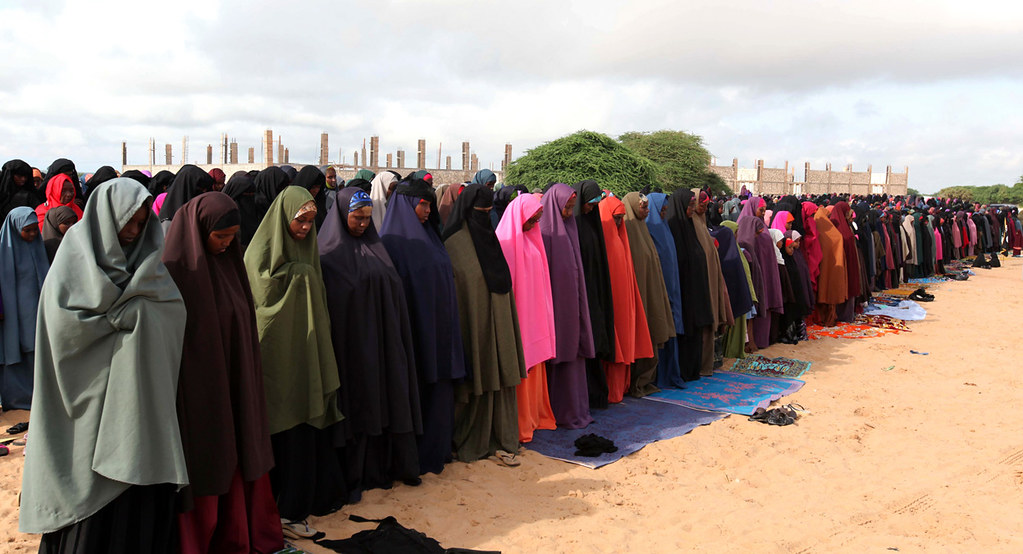
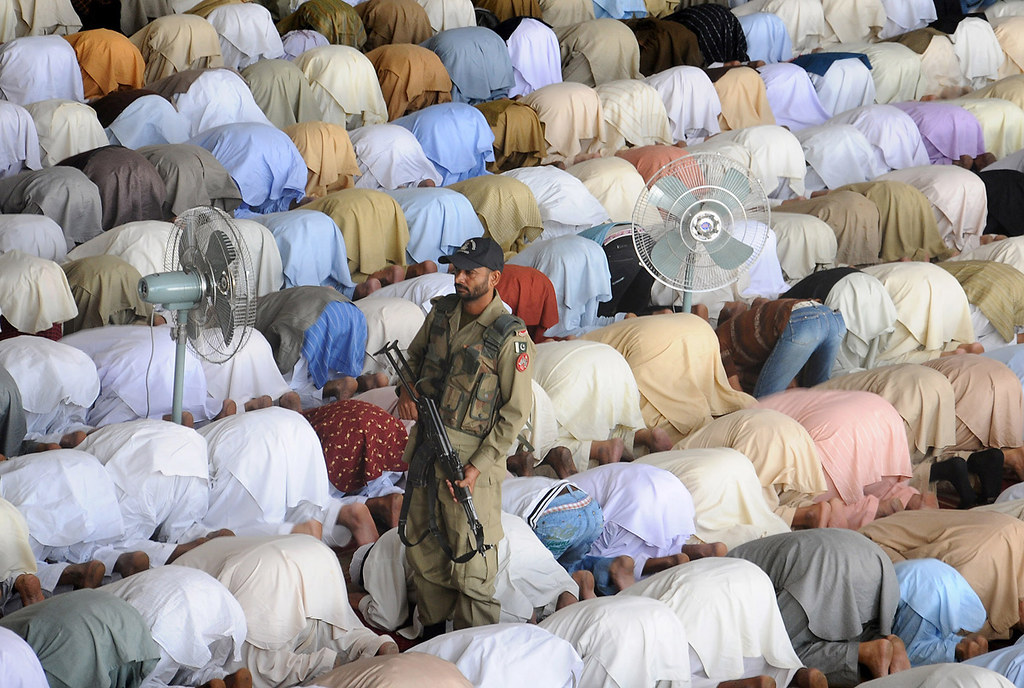
The Hajj and Eid al-Adha 2011

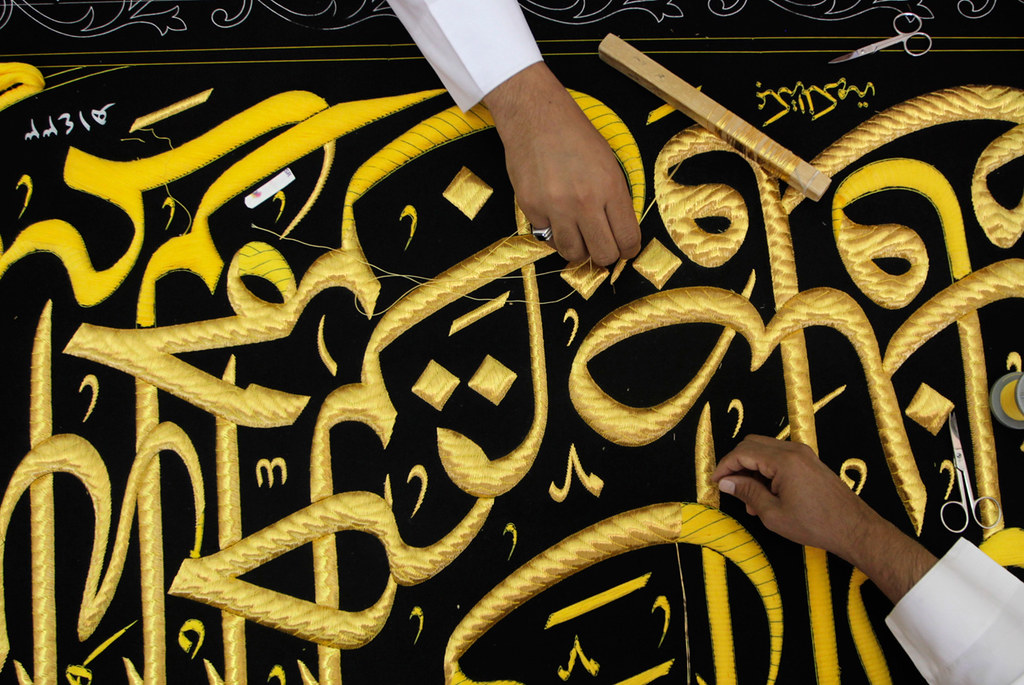
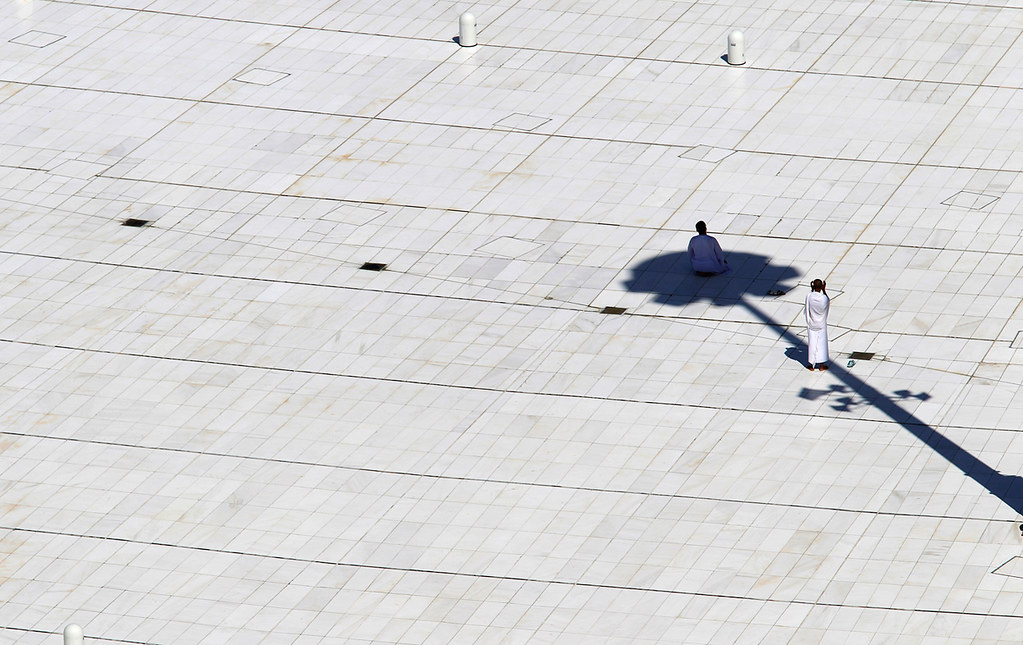
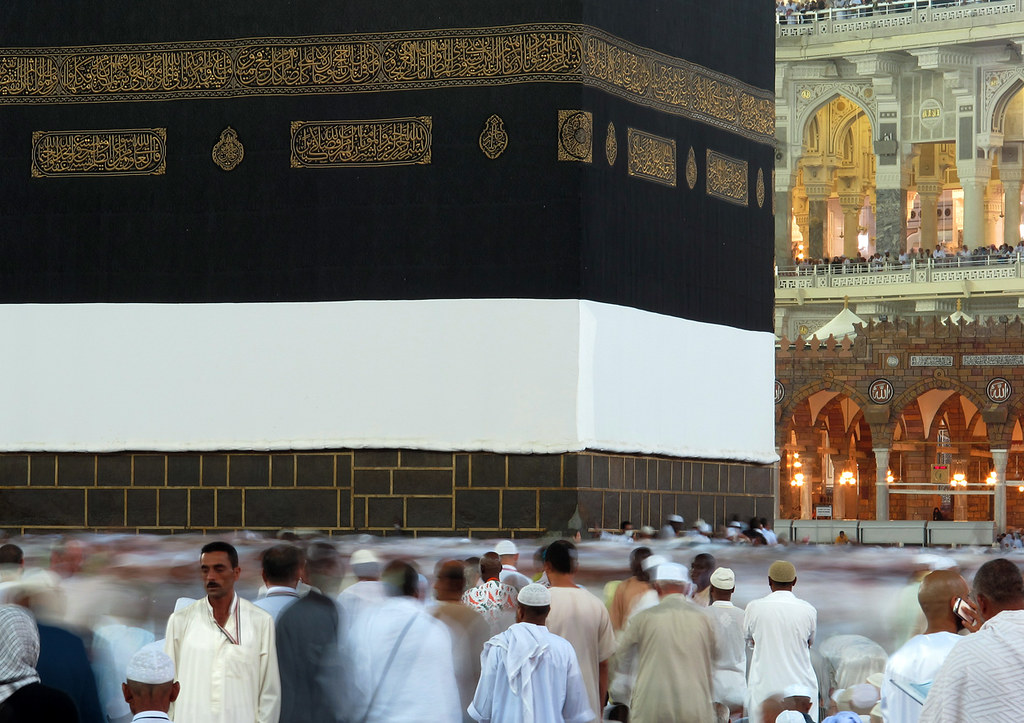
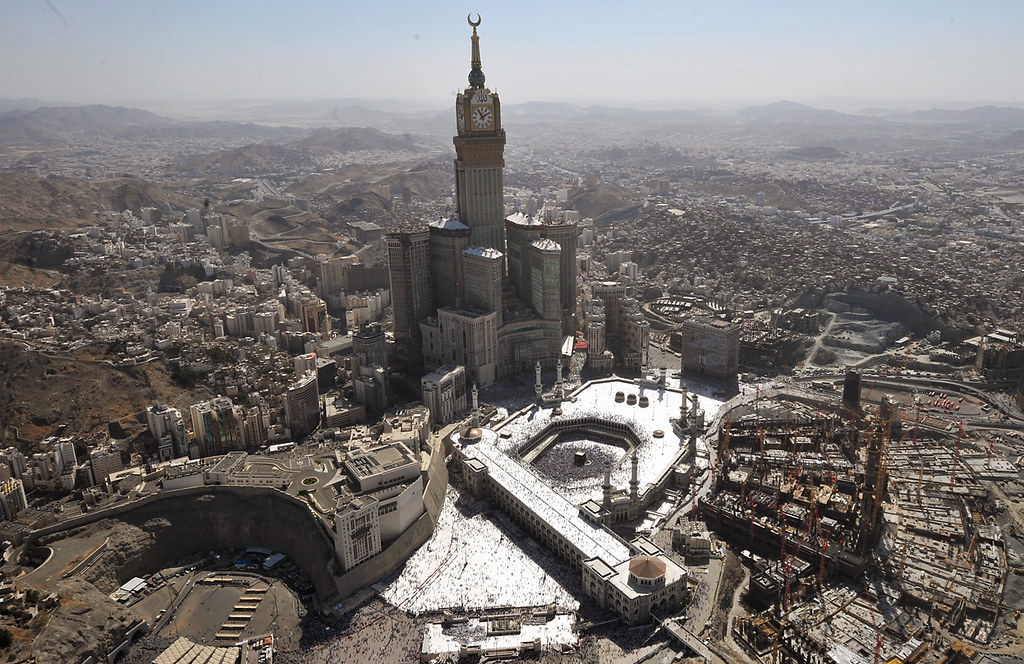
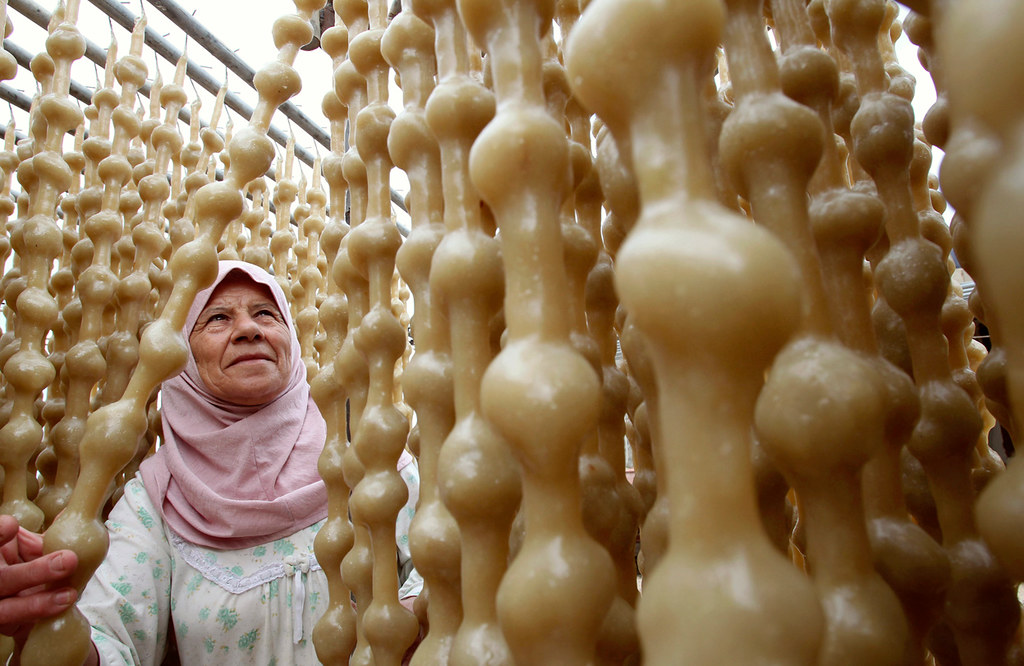
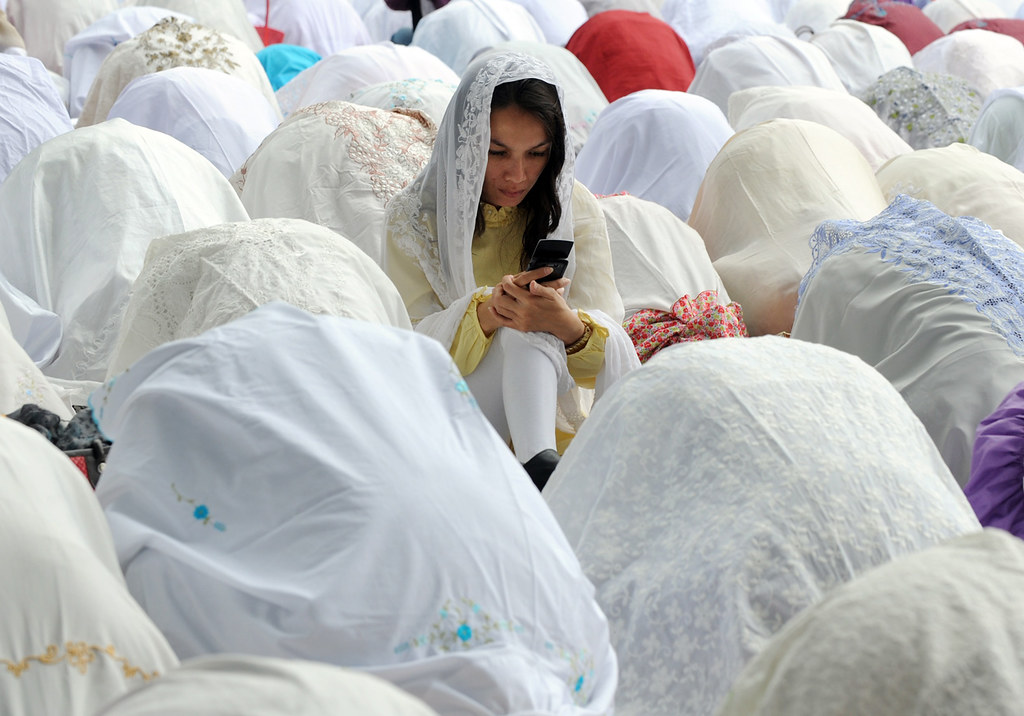
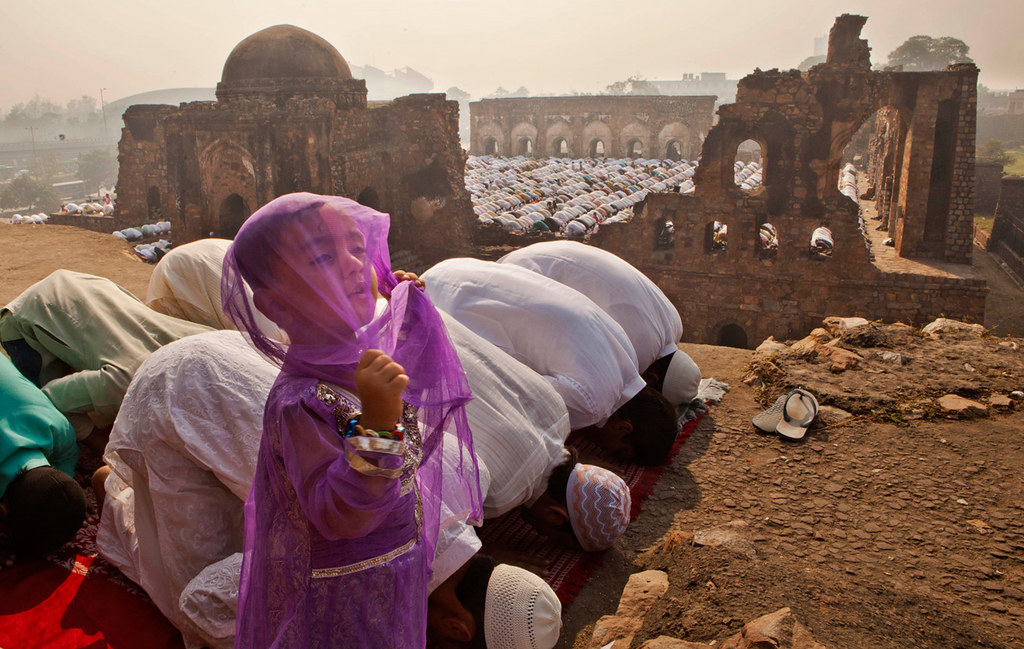
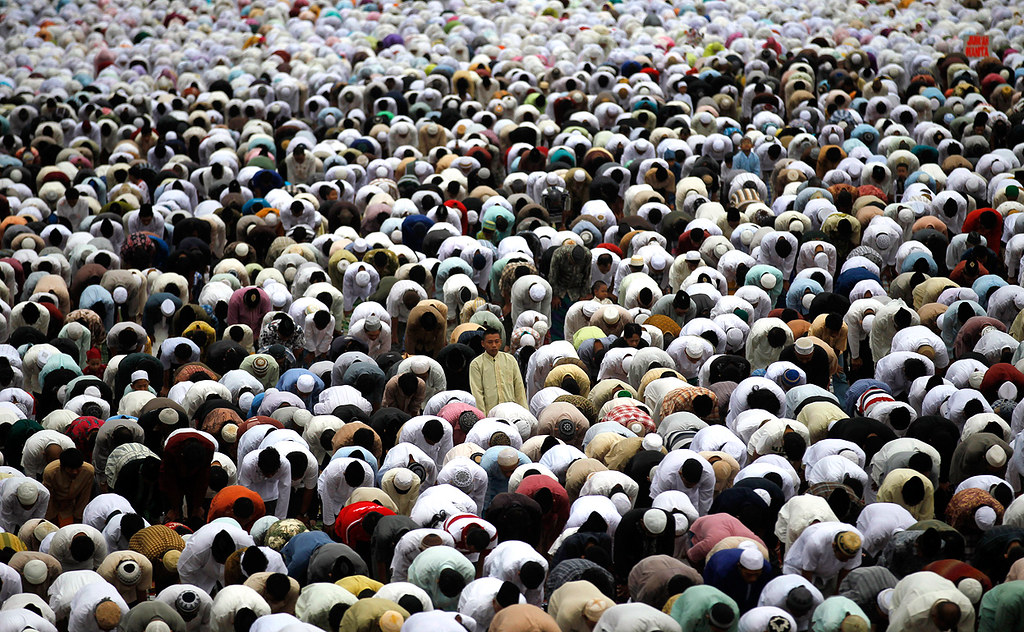
All images from The Atlantic: The Hajj and Eid al-Adha 2011 'Starting last Friday and continuing through Wednesday, some 3 million Muslims from around the globe are participating in several rituals'
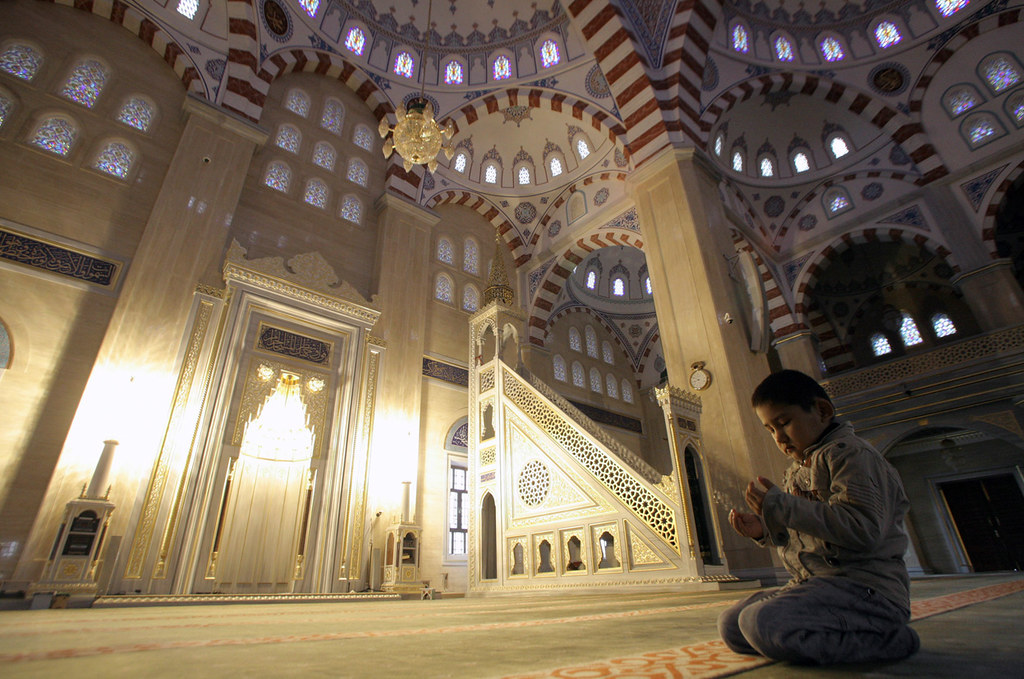
  Muslim pilgrim pray outside Namira mosque in Arafat near Mecca, Saudi Arabia, Workers embroider the Kiswa, a silk cloth covering the Holy Kaaba, in the holy city of Mecca h22_10406111  Muslim pilgrims move around the Kaaba, the black cube, inside the Grand Mosque, in Mecca An aerial view shows the Mecca Clock Tower as Muslim pilgrims walking around the Kaaba in the Grand Mosque of the holy city of Mecca during the annual Hajj pilgrimage rituals on November 7, 2011. (Fayez Nureldine/AFP/Getty Images) This aerial image taken through a window of a helicopter shows Indian Muslims offer prayers during Eid al-Adha, or the Feast of the Sacrifice, at the Taj Mahal Muslim pilgrims pray on Mount Mercy on the plains of Arafat Indian Muslims attend outdoor prayers to mark the festival of Eid-al-Adha in Mumbai A woman prepares traditional sweets for sale A participant A young Indian Muslim girl gestures as others offer prayers during Eid al-Adha in New Delhi h28_RTR2TNRG Muslim pilgrims cast stones at a pillar, symbolizing the stoning of Satan h11_RTR2TPGL Muslim women attend prayers on the first day of Eid al-Adha in Somalia's capital A Pakistani paramilitary soldier stands guard as Muslims offer Eid prayers A Chechen boy prays in the main mosque in Grozny, Russia,
Wednesday, May 18, 2011

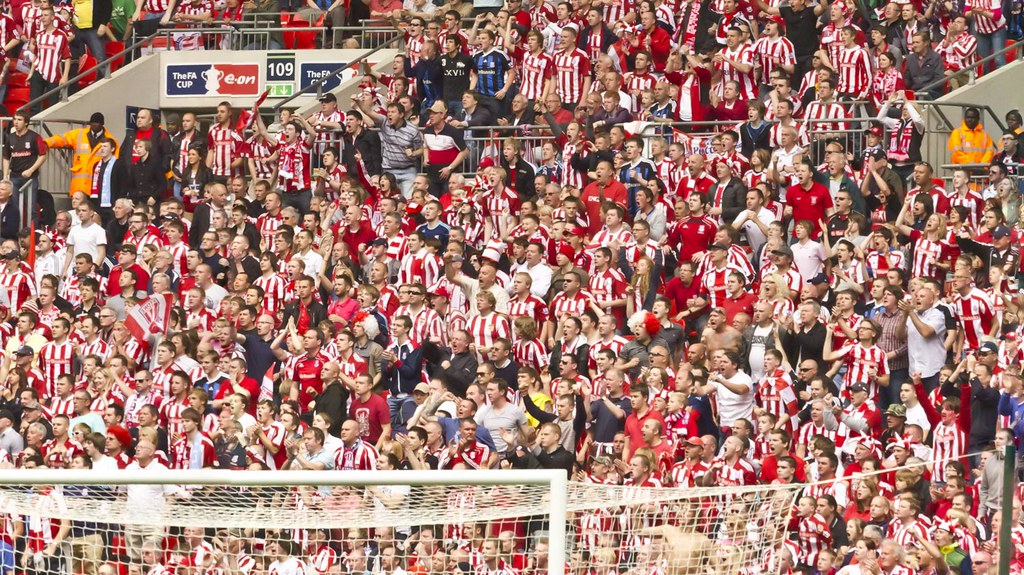
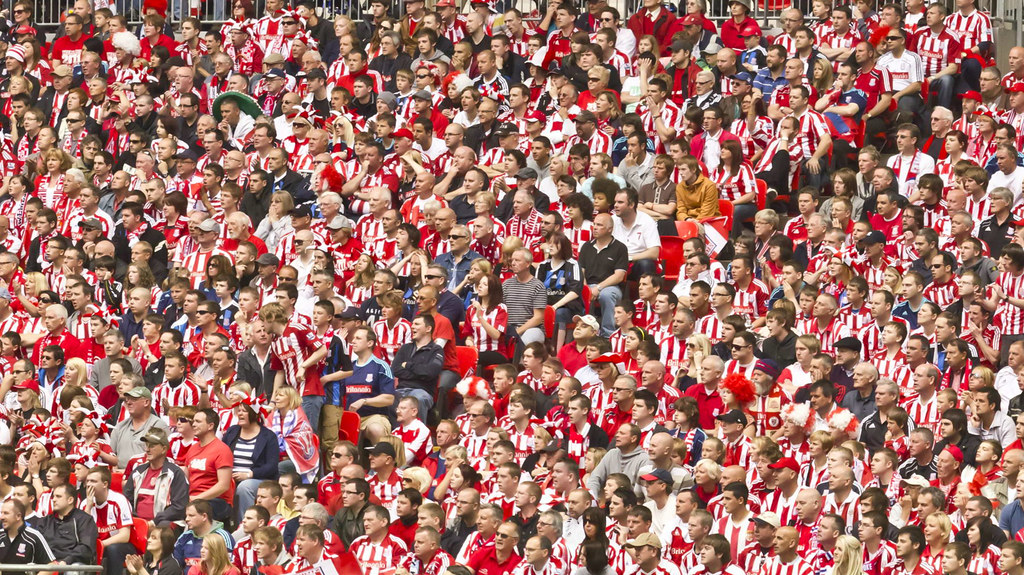
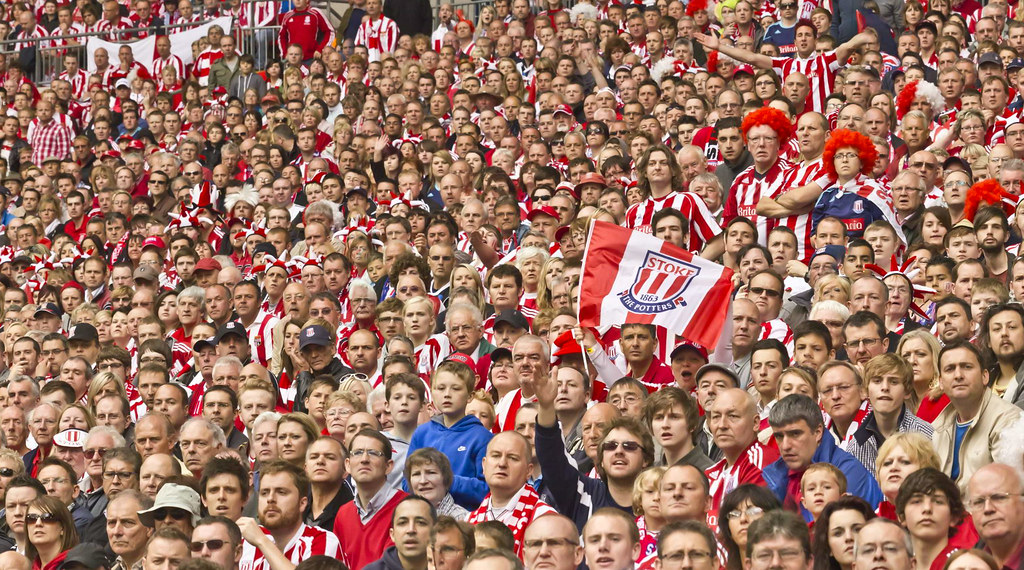
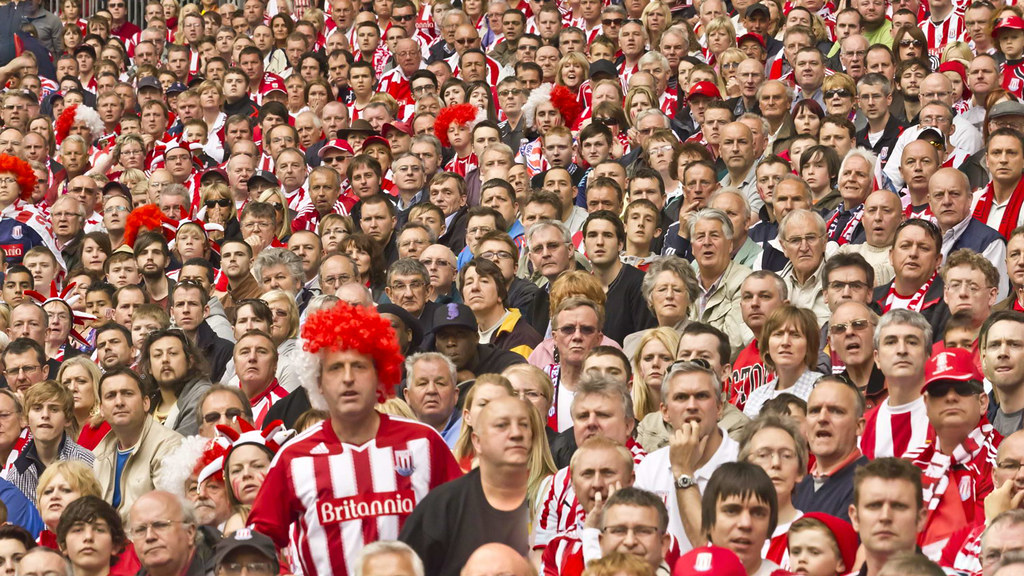
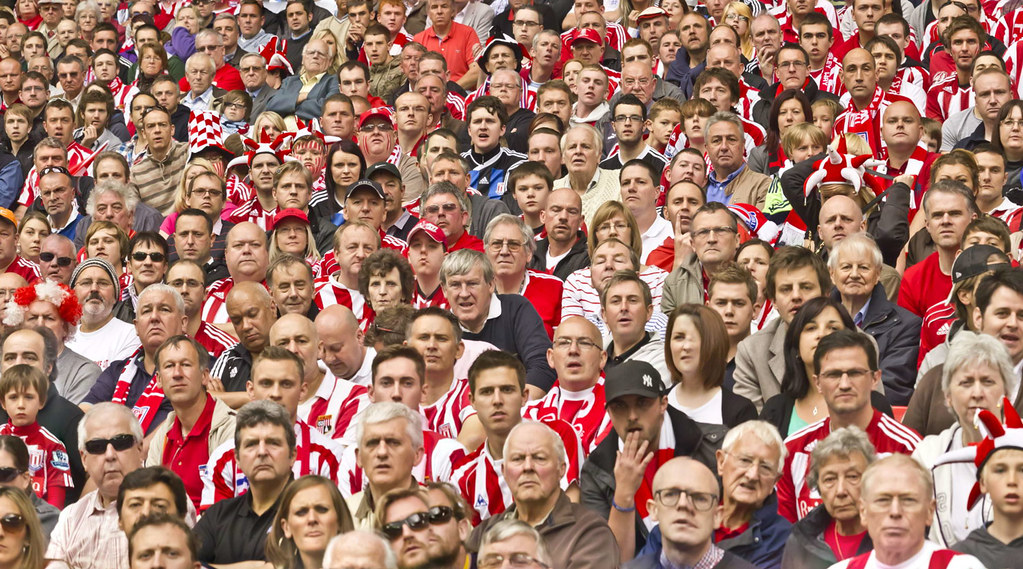
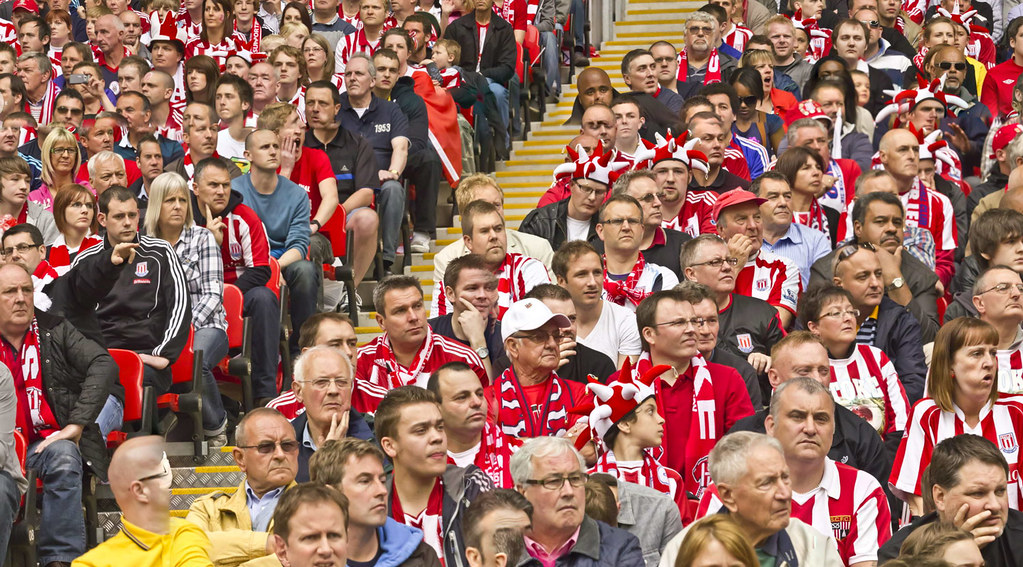
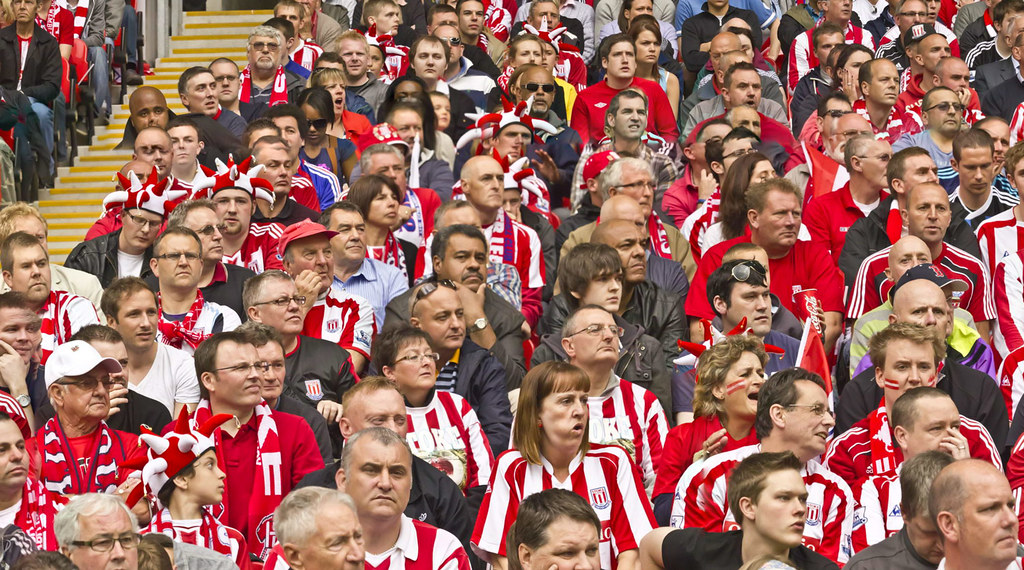
Stoke City fans at the 2011 FA Cup Final

Screenshots from the 20 gigapixel 360-degree panoramic photograph of the 2011 FA Cup Final by Jeffrey Martin. In red are the Stoke City fans. Apparently '1000 photographs shot with a DSLR and robotic tripod head were needed to capture the 90,000 fans in attendance, and the final image was processed with a workstation that had 192 gigabytes of RAM and 24 CPU cores'*

360-degree panorama of the 2011 FA Cup Final

360-degree panorama of the 2011 FA Cup Final

360-degree panorama of the 2011 FA Cup Final

360-degree panorama of the 2011 FA Cup Final

360-degree panorama of the 2011 FA Cup Final

360-degree panorama of the 2011 FA Cup Final

bbScreen-shot-2011-05-18-at-6.21.51-PM

See the Panoramic photo here: http://wembley360.wembleystadium.com/
*Source: here

Wednesday, February 23, 2011

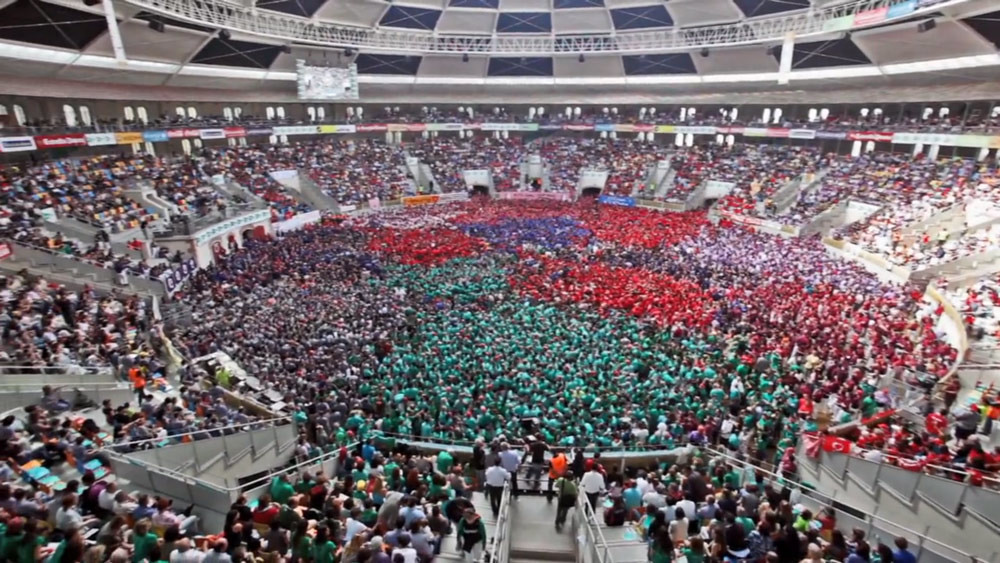
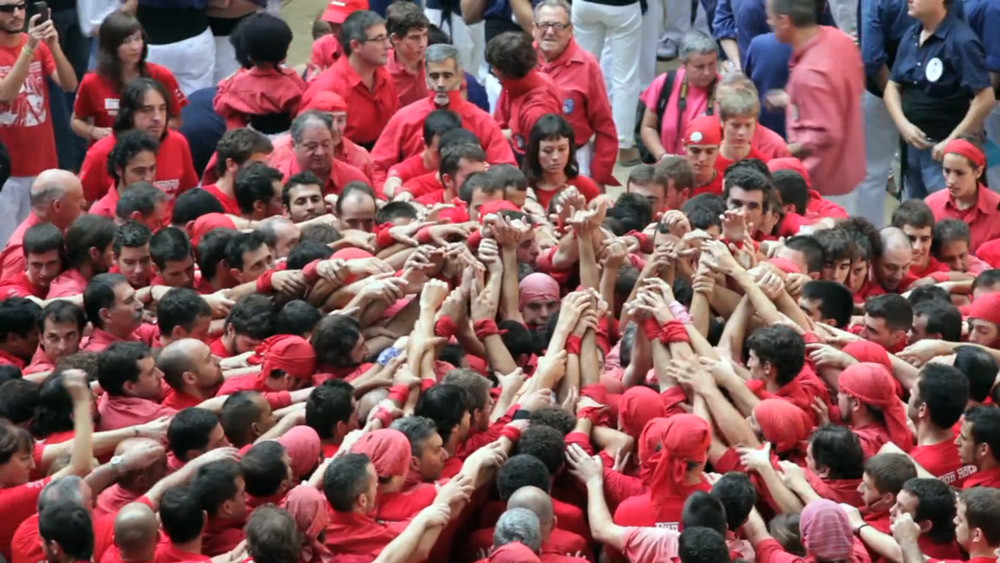
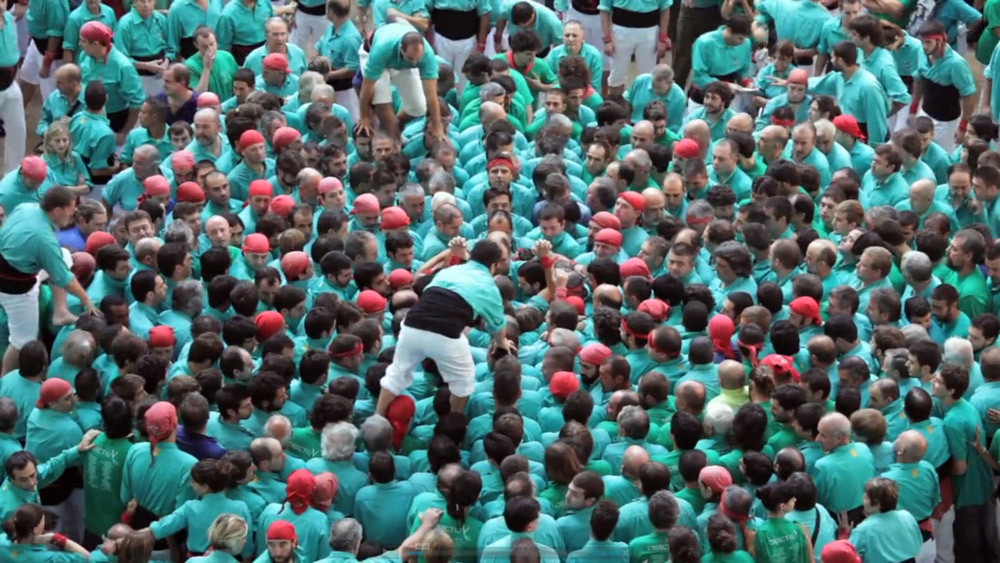
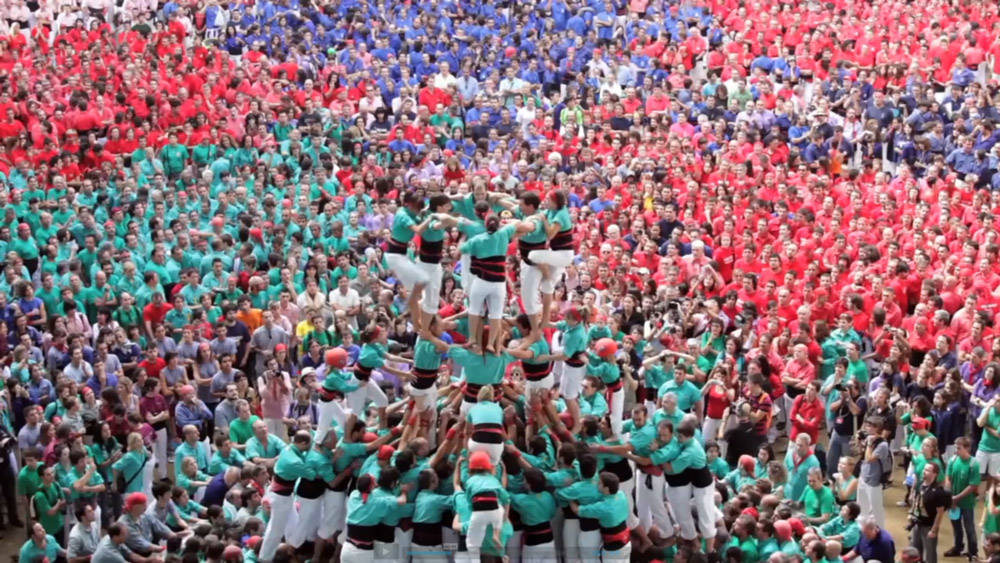
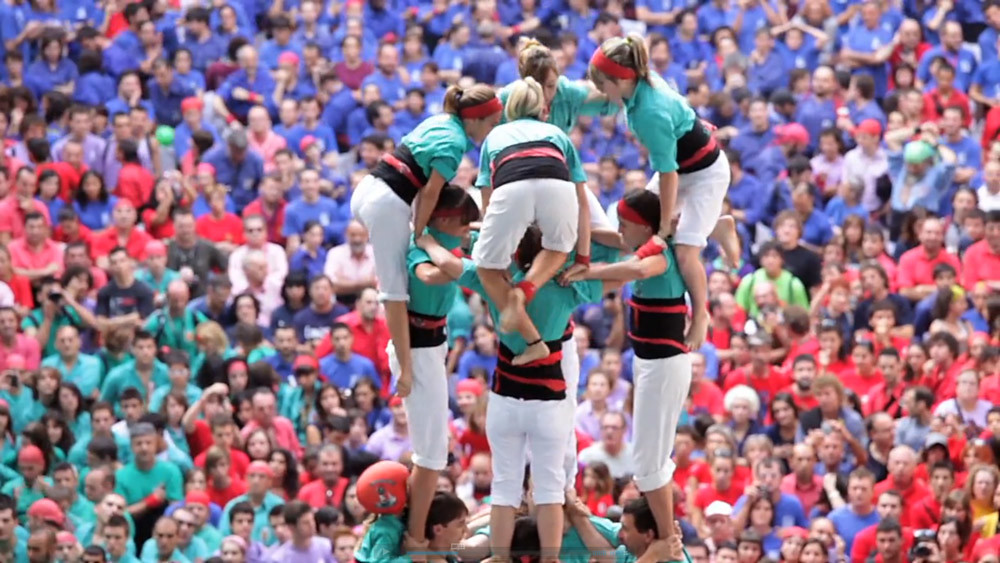
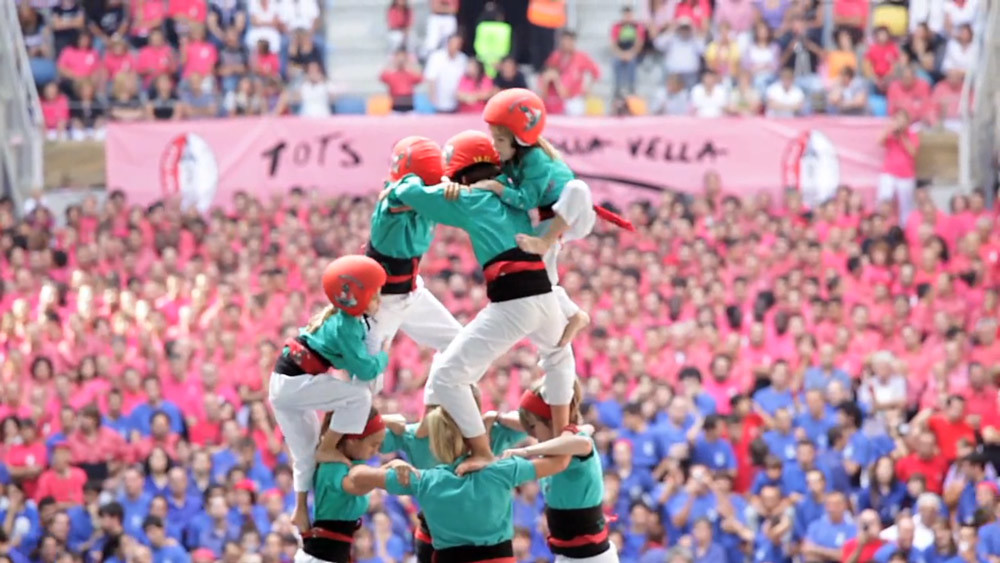
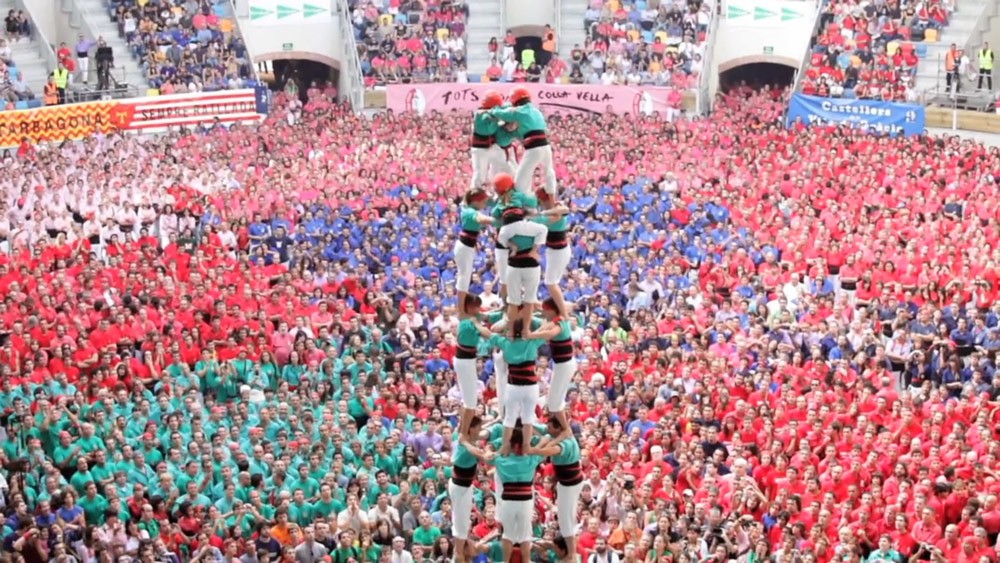
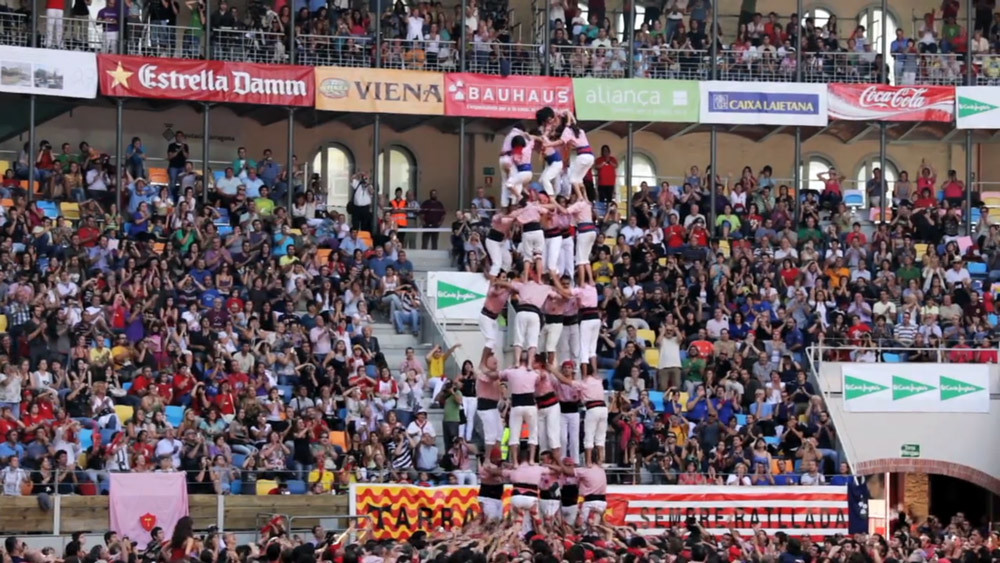
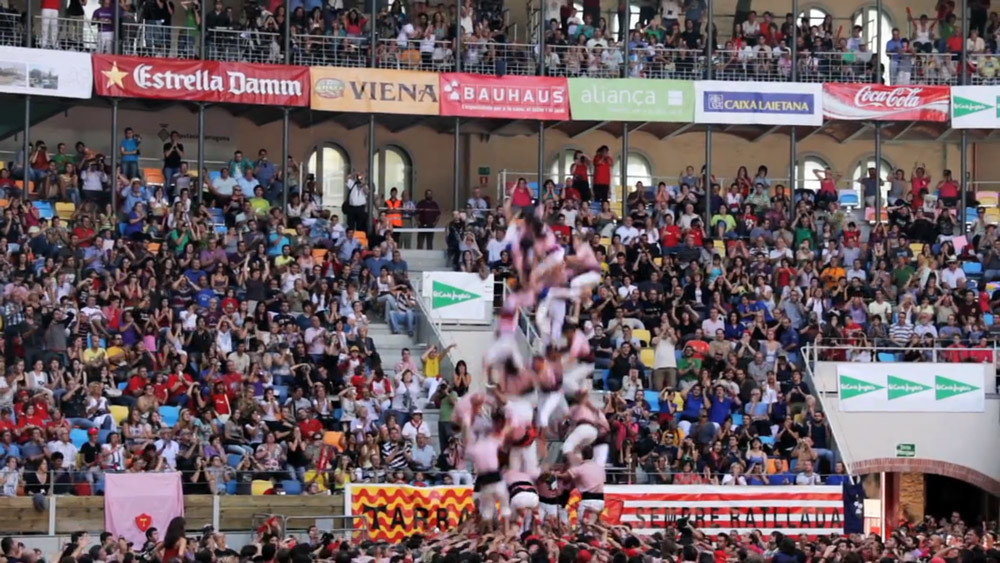
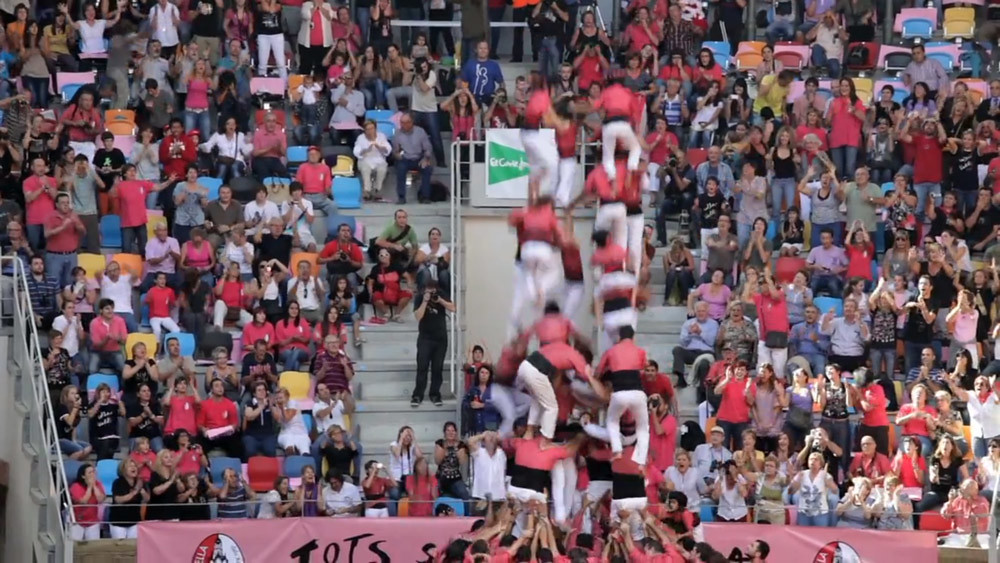
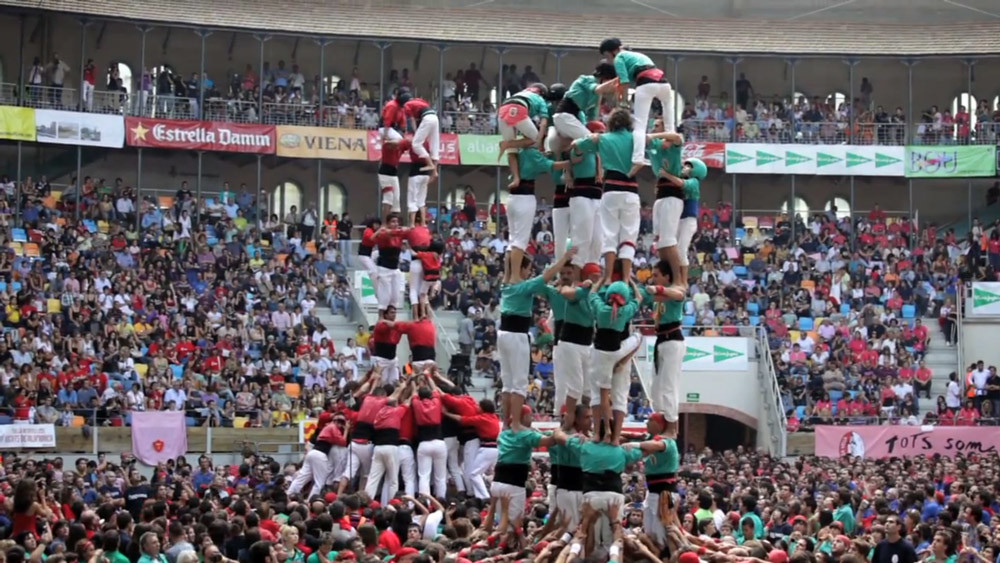
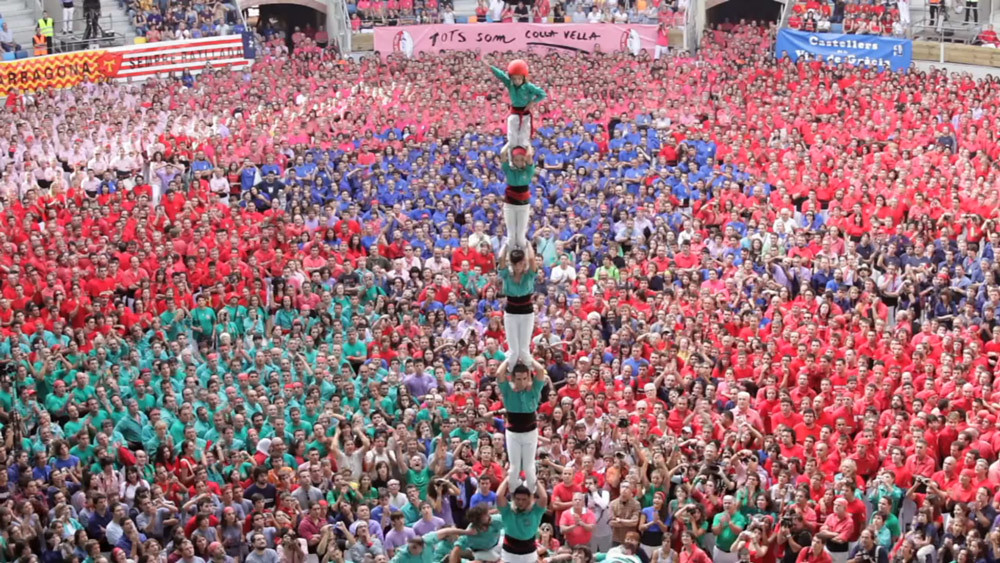
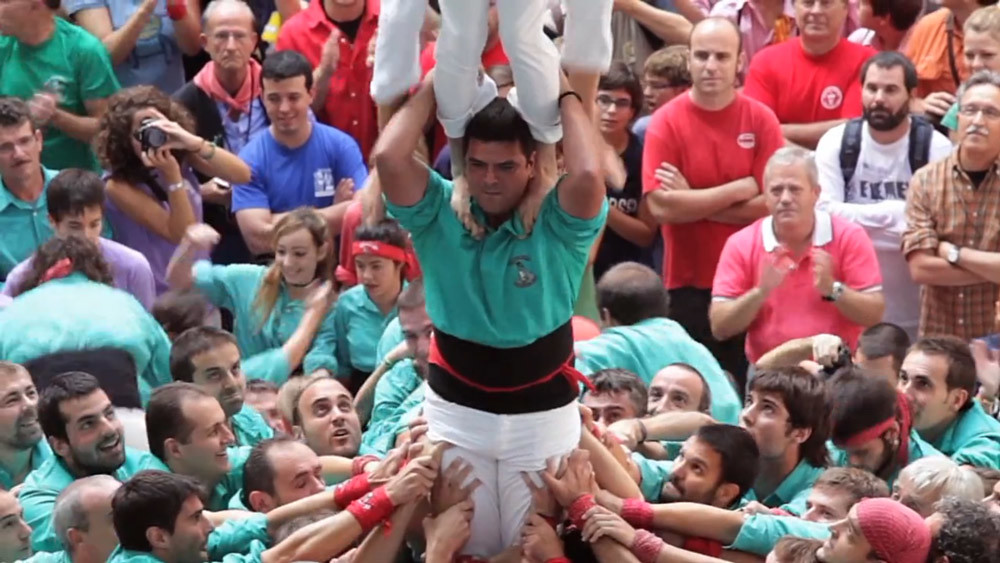
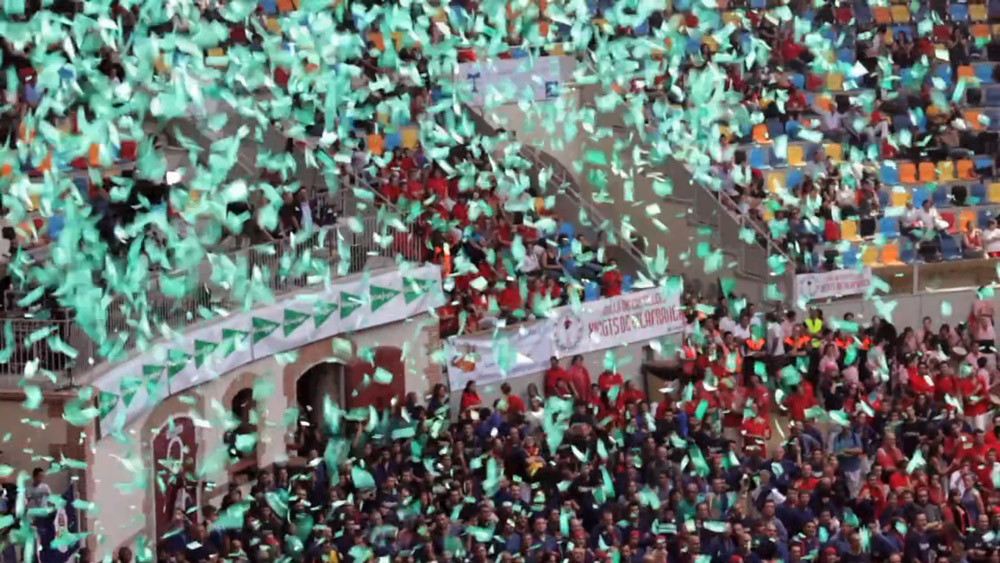
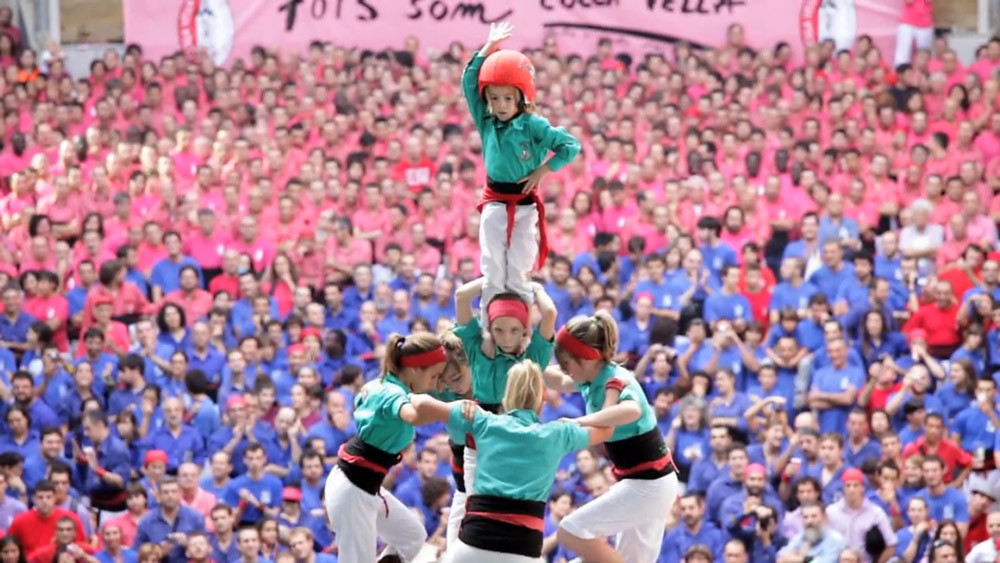
In Catalan the word 'castell' means castle.

The sash (faixa) is the most important part of their outfit, since it supports the lower back and is used by other castellers in the team as a foothold or handhold when climbing up the tower. (1)

Screen-shot-2011-02-23-at-10.55.35-PM
Screen-shot-2011-02-23-at-10.55.48-PM
Screen-shot-2011-02-23-at-10.55.54-PM
Screen-shot-2011-02-23-at-10.56.05-PM
Screen-shot-2011-02-23-at-10.57.00-PM
Screen-shot-2011-02-23-at-10.57.15-PM
Screen-shot-2011-02-23-at-10.57.30-PM
Screen-shot-2011-02-23-at-10.57.50-PM
Screen-shot-2011-02-23-at-10.58.52-PM
Screen-shot-2011-02-23-at-10.58.58-PM
Screen-shot-2011-02-23-at-10.59.10-PM
Screen-shot-2011-02-23-at-10.56.38-PM
Screen-shot-2011-02-23-at-10.59.40-PM
Screen-shot-2011-02-23-at-10.59.46-PM
Screen-shot-2011-02-23-at-10.59.59-PM
Screen-shot-2011-02-23-at-11.00.11-PM


Casteller from Mike Randolph on Vimeo.


'A castell is considered a success when stages of its assembling and disassembling, can be done in complete succession. The assembly is complete once all castellers have climbed into their designated places, and the enxaneta climbs into place at the top and raises one hand with four fingers erect, in a gesture said to symbolize the stripes of the Catalan flag. The enxaneta then climbs down the other side of the castell, after which the remaining levels of castellers descend in highest-to-lowest order until all have reached safety.' (2)