I'm intrigued by the infamous mystery and purported secretiveness surrounding Yves Saint Laurent, and am thus rather keen to see L' amour fou directed by Pierre Thoretton. This snippet from the film (below) shares a rare interview which captures Saint Laurent as I've never seen him before; he's jocular and cheeky, jubilantly joking, not at all the nervous, anxious interviewee he's been refereed to in the past. This particular interview with Yves' mix of honest, flippant, and elegant one-word answers highlights the simple and fascinating quality of translated subtitles accompanying a foreign spoken word. Even if most of Yves' clear-cut French answers are obvious: 'le Joie'; 'le charme'; I'm grateful for the English translation below. Yves's French accent and enunciation and the (somewhat) banal English word translation (words which somehow seem almost banal in comparison to their French equivalents) this somehow renders the interview to be quite charming to watch.
"L' amour fou" (2010), directed by Pierre Thoretton from sleek magazine on Vimeo.

A blog compiled by Neeve and Claire which tends to feature; screenshots | internet diversions | lens media | fashion | fluorescent lights | maps | extra large google image search | detail shots | dead ends | gold | faux bois | suburbs at night | spotlights | dogs | Russia | Ciara | palm trees | film stills | the aesthetics of rugby | music videos | colour palettes | aerial photography | adornment |
Showing posts with label interesting. Show all posts
Showing posts with label interesting. Show all posts
Saturday, December 24, 2011
Tuesday, December 6, 2011
Fata Morgana (mirage)
A Fata Morgana can be seen on land or at sea, in polar regions or in deserts. These specific kinds of mirages involve any distant object, such as islands, boats, and coastline / cliffs. A Fata Morgana is not only complex, but also rapidly changing; the complex mirage comprises several inverted (upside down) and erect (right side up) images that are stacked on top of one another. Fata Morgana mirages also show alternating compressed and stretched zones. (1)
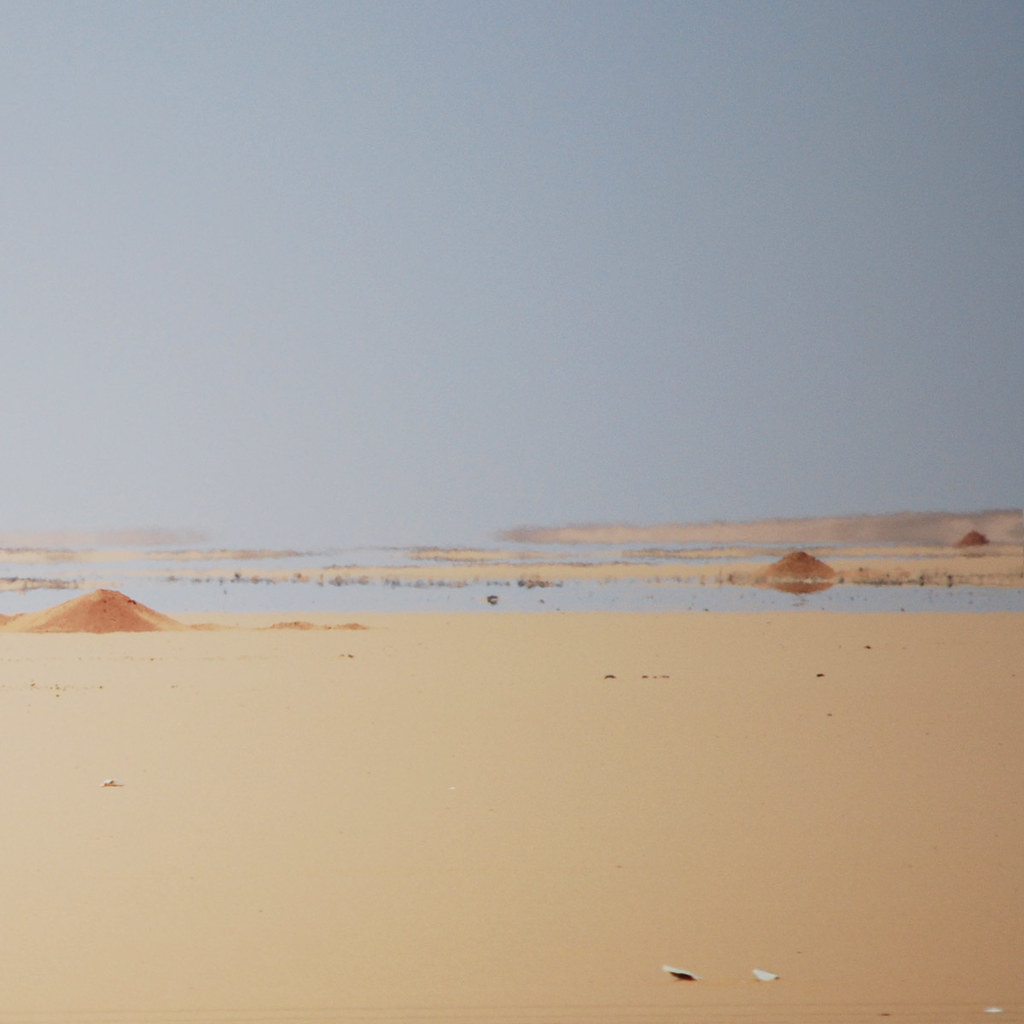
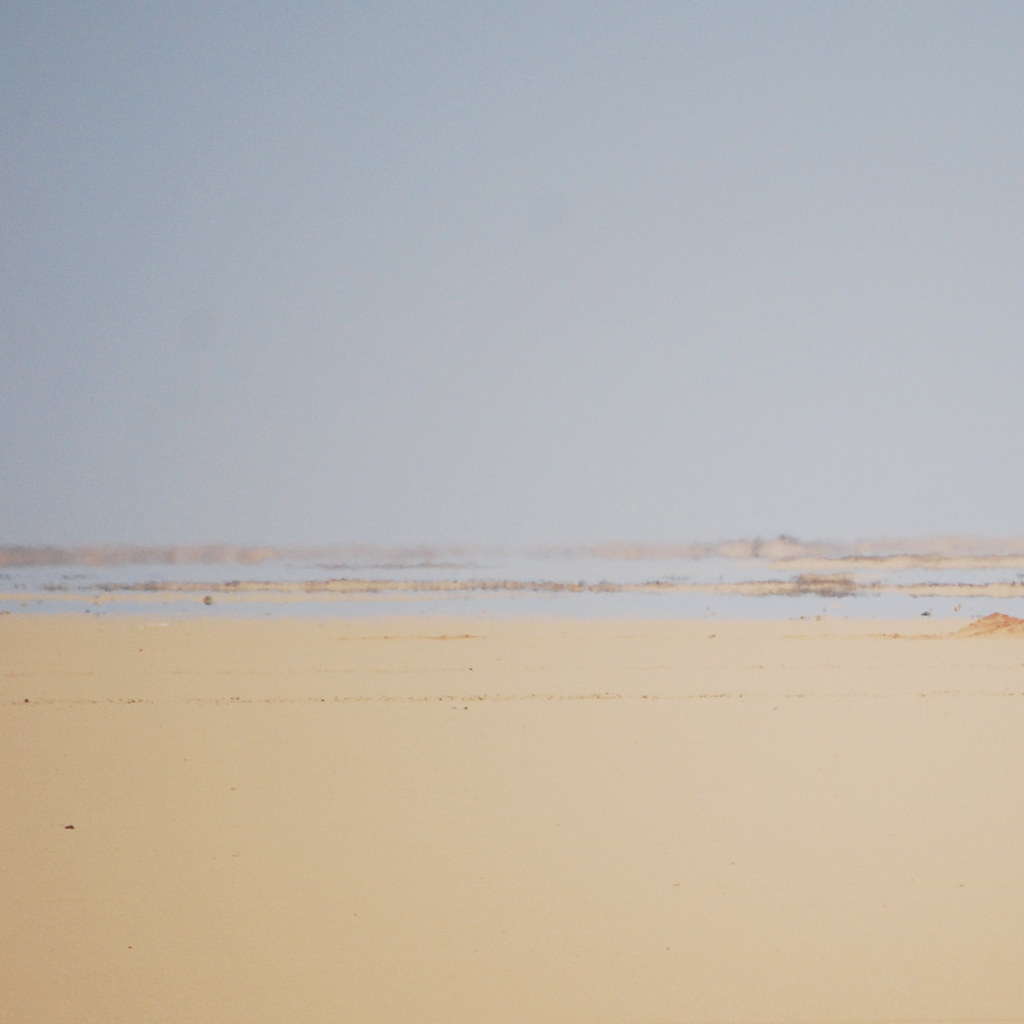
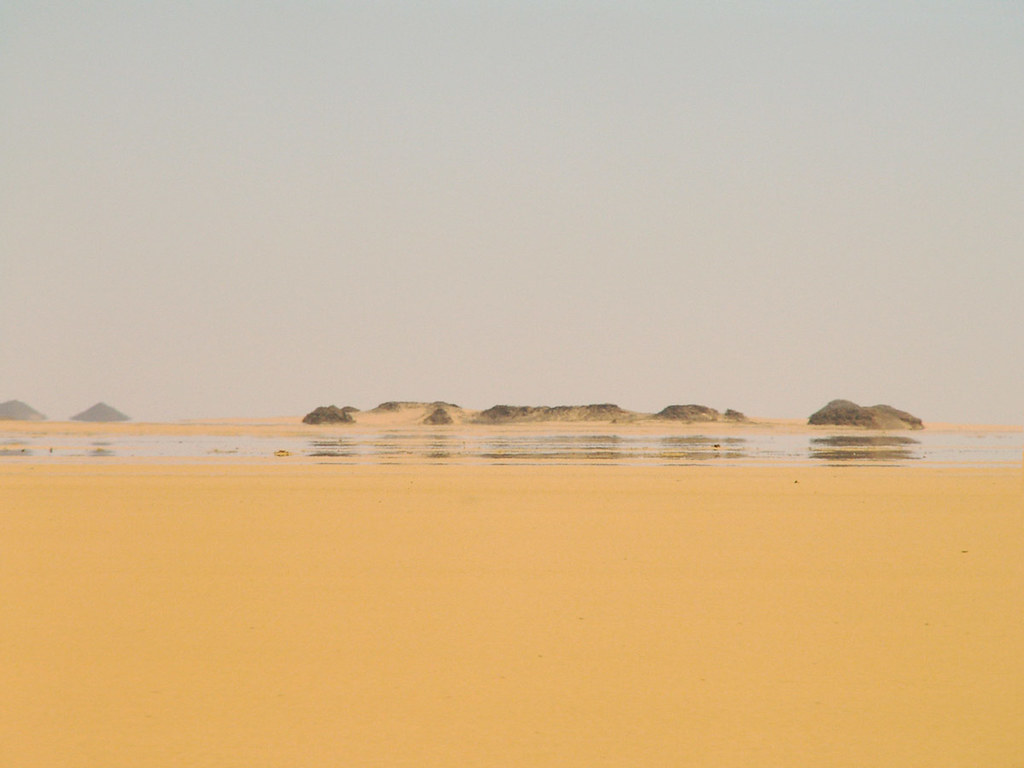
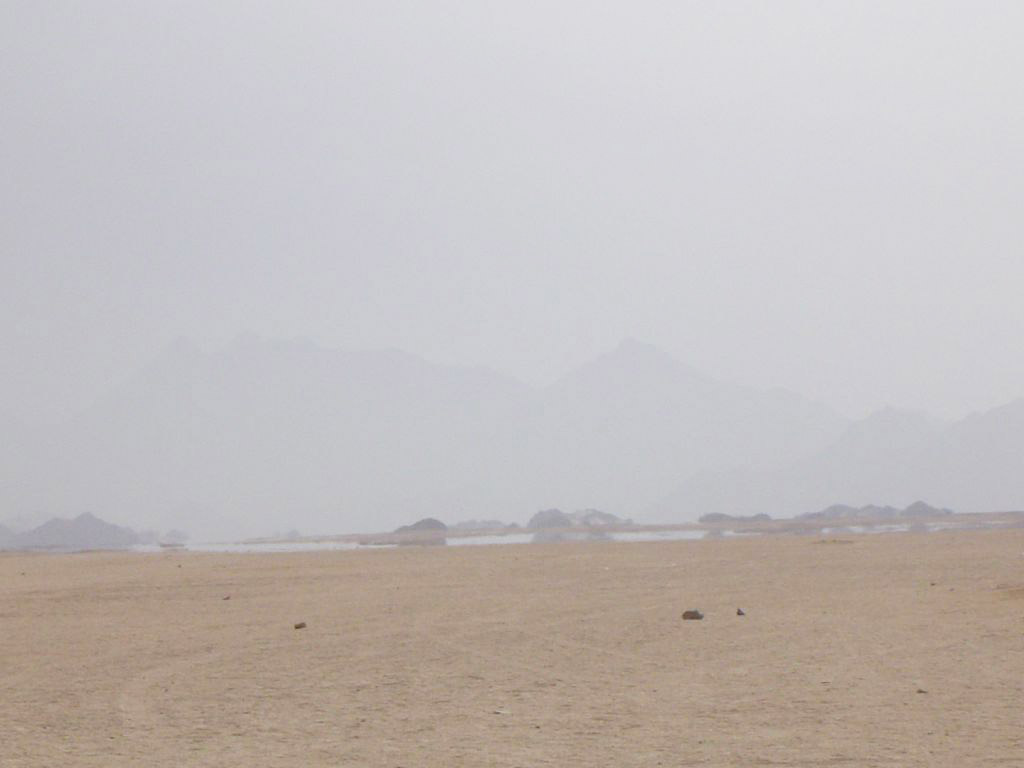

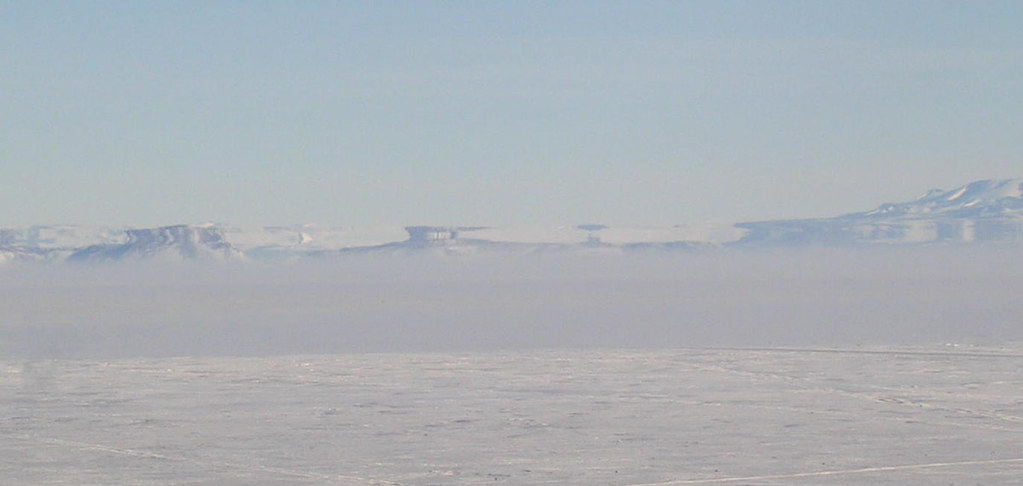
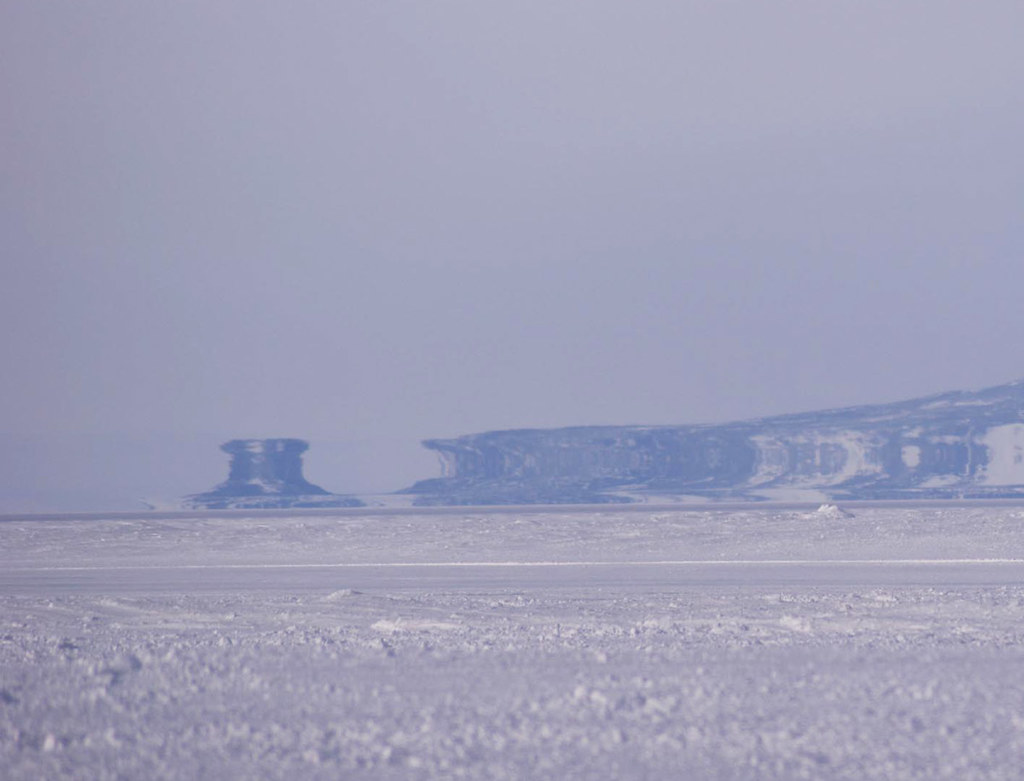

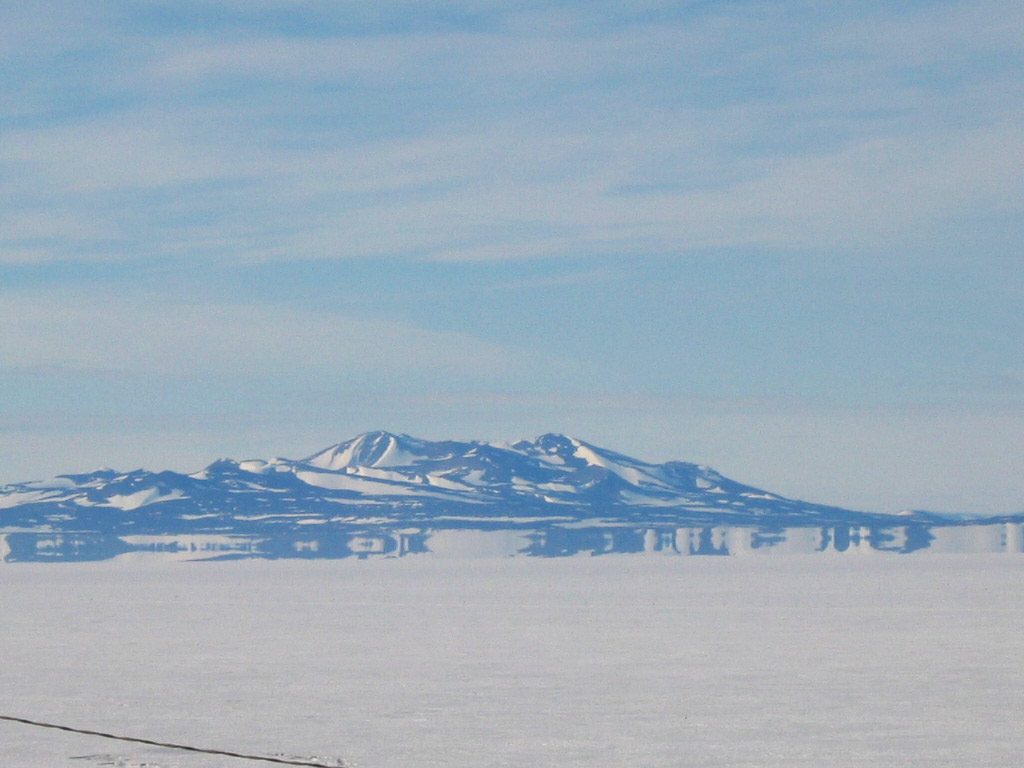
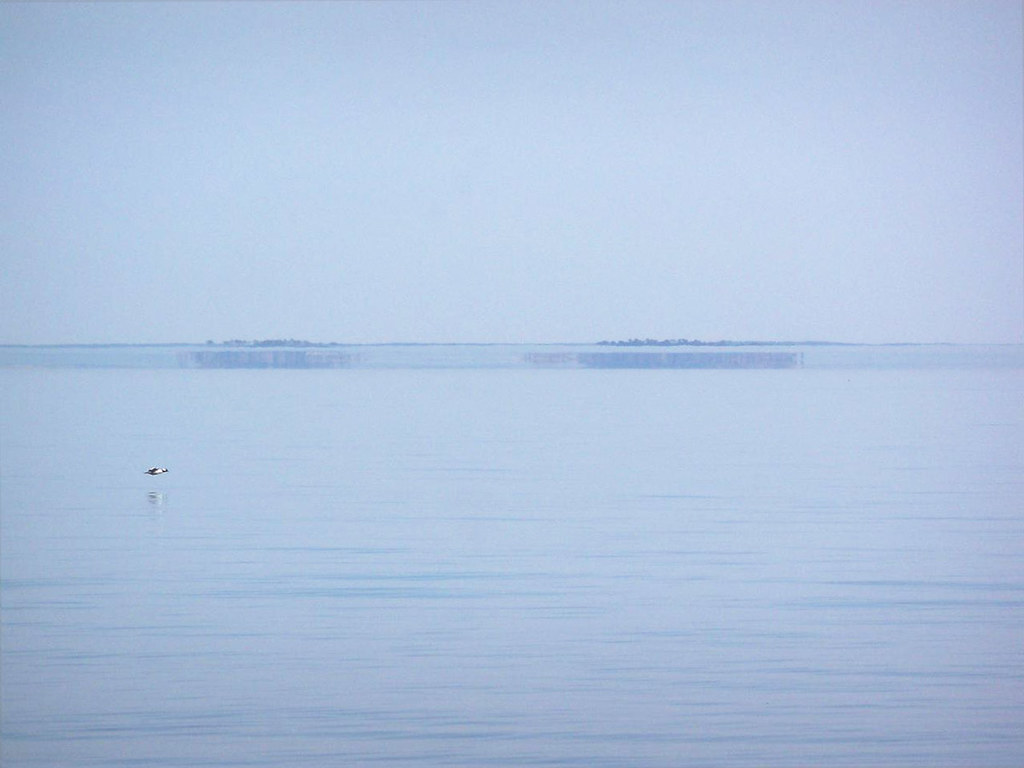
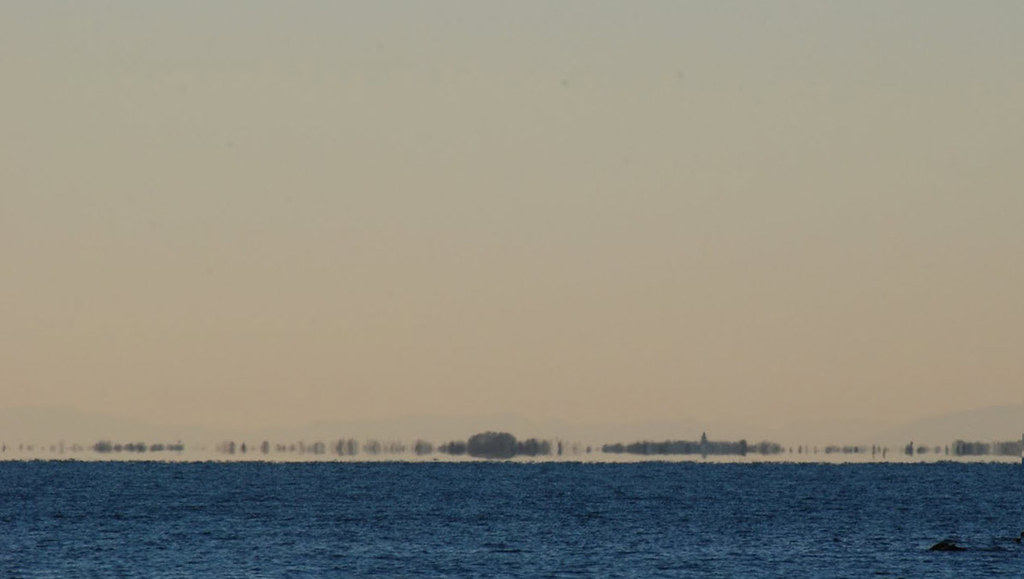
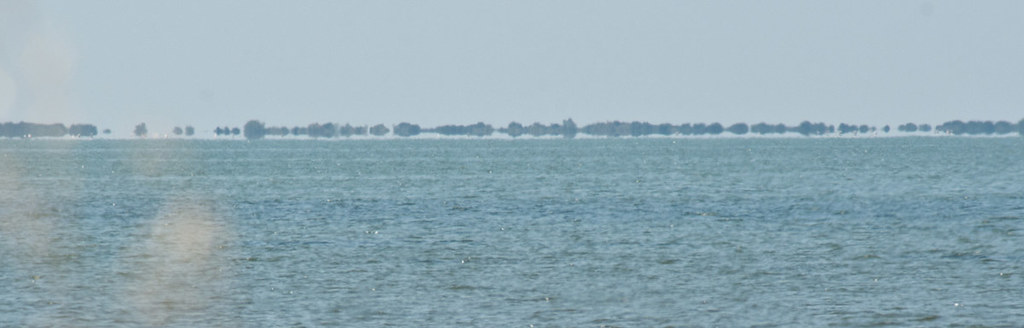
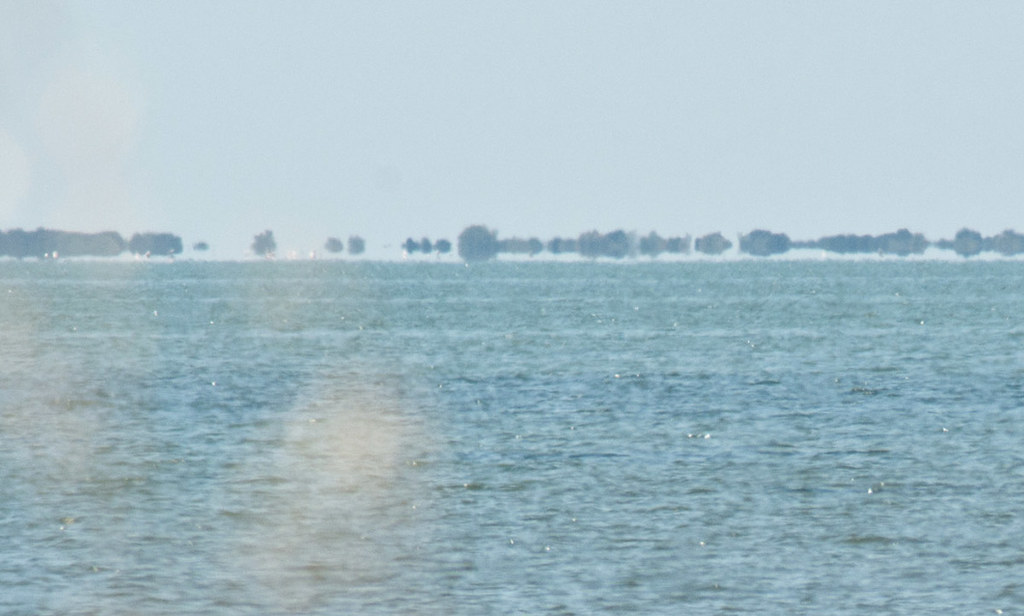
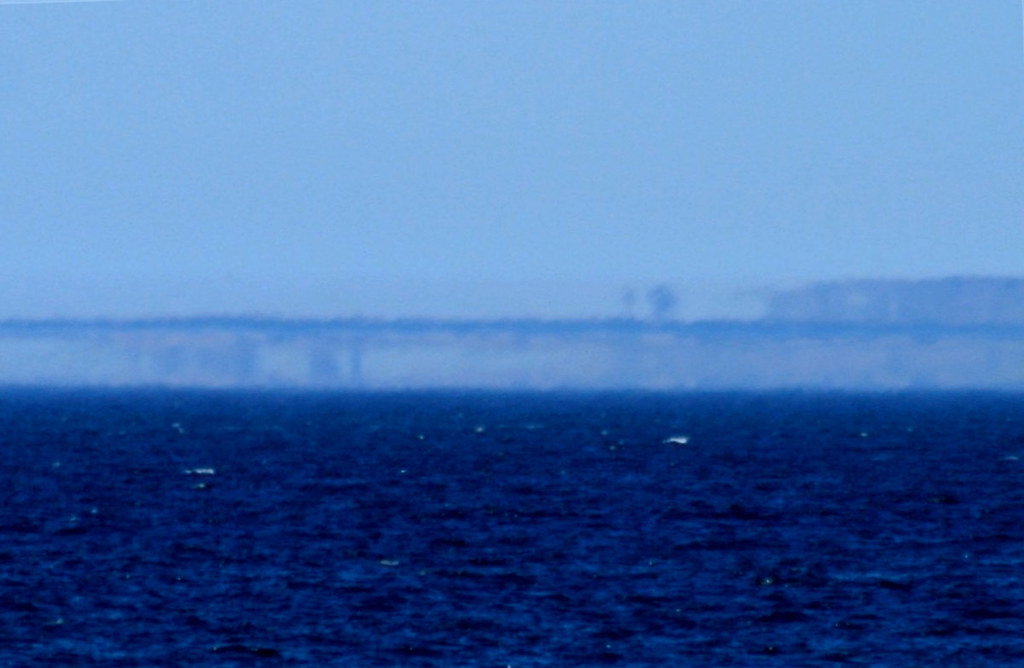
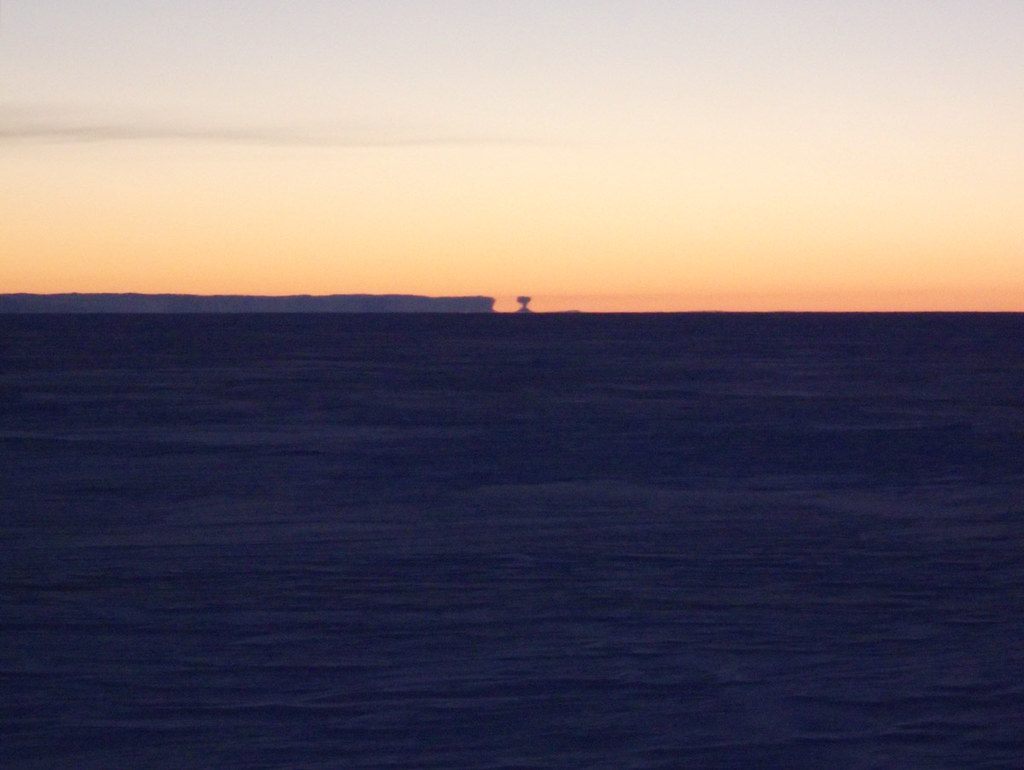
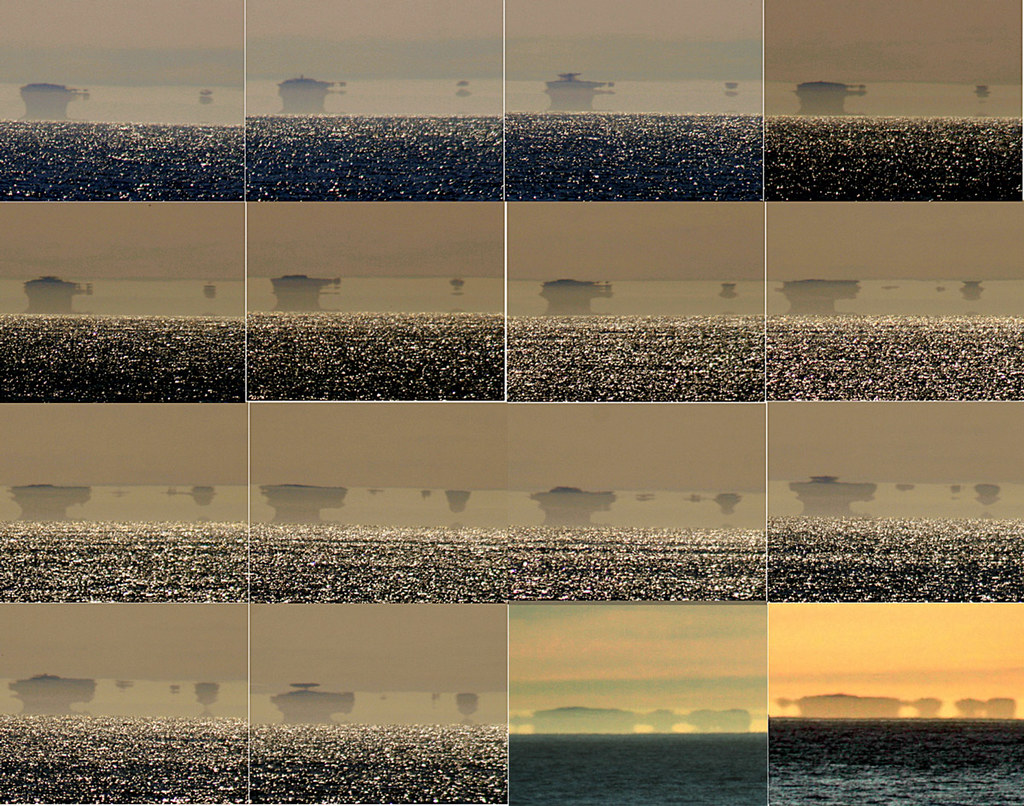
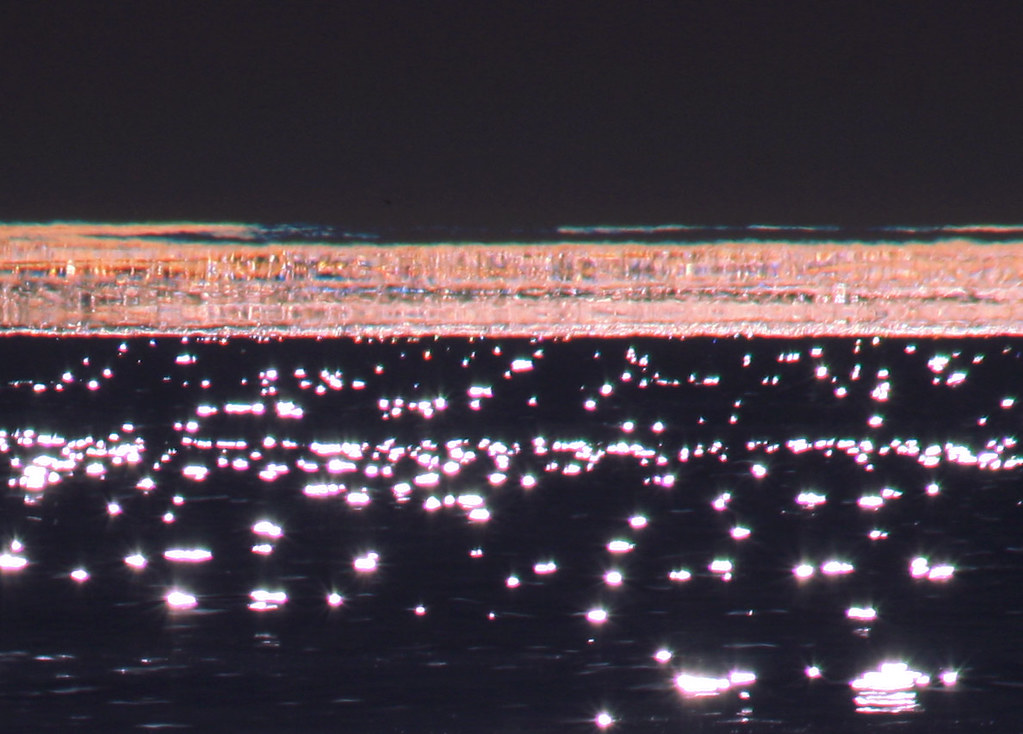
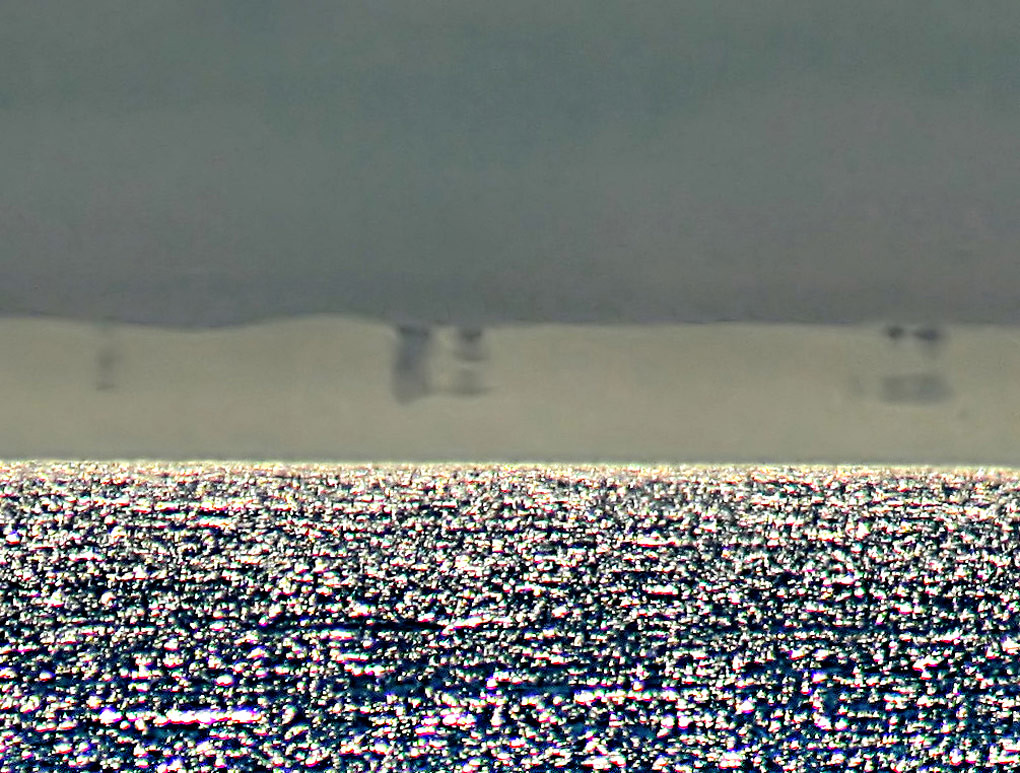
click images for source
I enjoyed this use of the phrase cited in the OED: ' Cloud mountains, and fatamorgana cities' (2) from 1829 by a T. Carlyle in Foreign Rev.
Interesting to note during the filming of the Herzog's Fata Morgana (1971) Herzog and the crew encountered many problems, most notably being imprisoned because cameraman Schmidt-Reitwein's name was similar to the name of a German mercenary who was hiding from the authorities and had recently been sentenced to death in absentia. Also; Herzog contracted bilharzia, a blood parasite sometimes refered to as 'snail fever' (3).
(1) http://en.wikipedia.org/wiki/Fata_Morgana_(mirage)
(2) "fata Morgana, n.". OED Online. September 2011. Oxford University Press. 5 December 2011.
(3) Fata Morgana (1971) Trivia: http://www.imdb.com/title/tt0067085/trivia
click images for source
I enjoyed this use of the phrase cited in the OED: ' Cloud mountains, and fatamorgana cities' (2) from 1829 by a T. Carlyle in Foreign Rev.
Interesting to note during the filming of the Herzog's Fata Morgana (1971) Herzog and the crew encountered many problems, most notably being imprisoned because cameraman Schmidt-Reitwein's name was similar to the name of a German mercenary who was hiding from the authorities and had recently been sentenced to death in absentia. Also; Herzog contracted bilharzia, a blood parasite sometimes refered to as 'snail fever' (3).
(1) http://en.wikipedia.org/wiki/Fata_Morgana_(mirage)
(2) "fata Morgana, n.". OED Online. September 2011. Oxford University Press. 5 December 2011
(3) Fata Morgana (1971) Trivia: http://www.imdb.com/title/tt0067085/trivia
Saturday, December 3, 2011
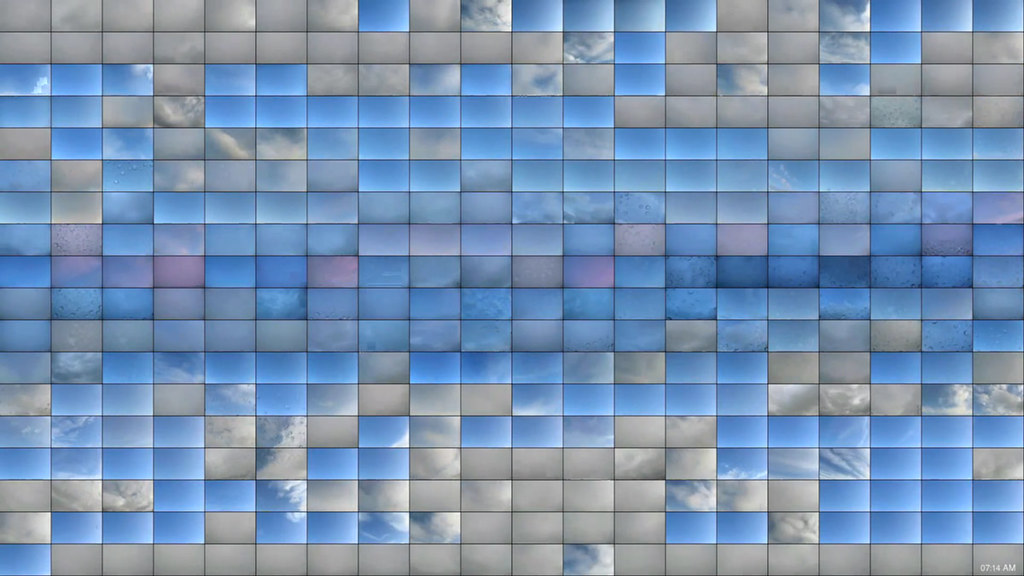
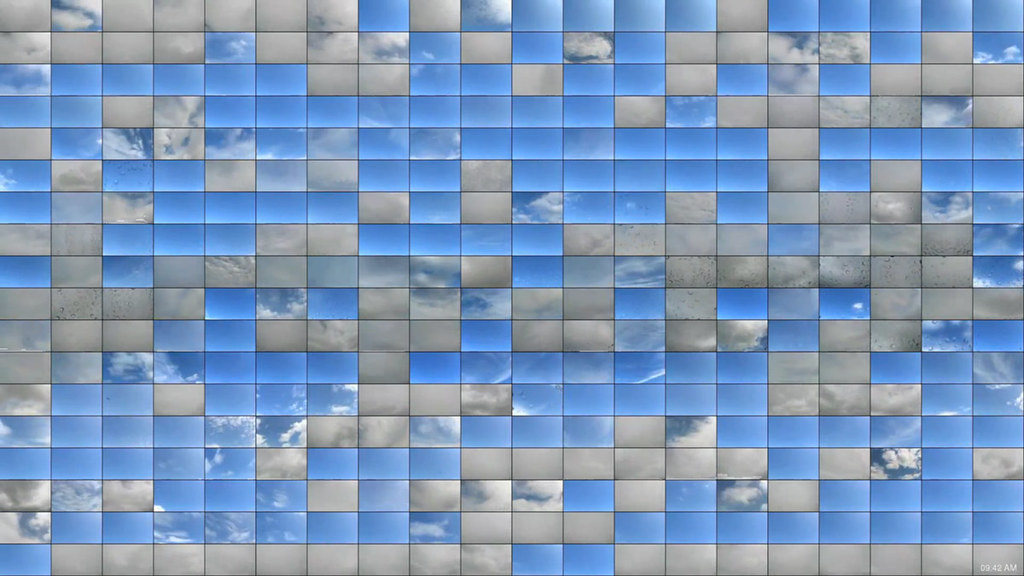
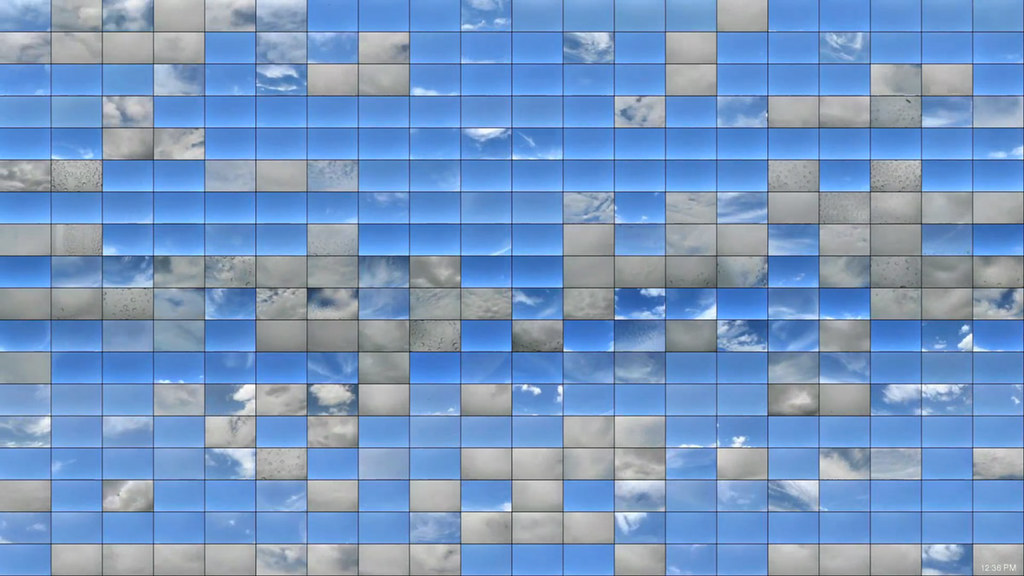
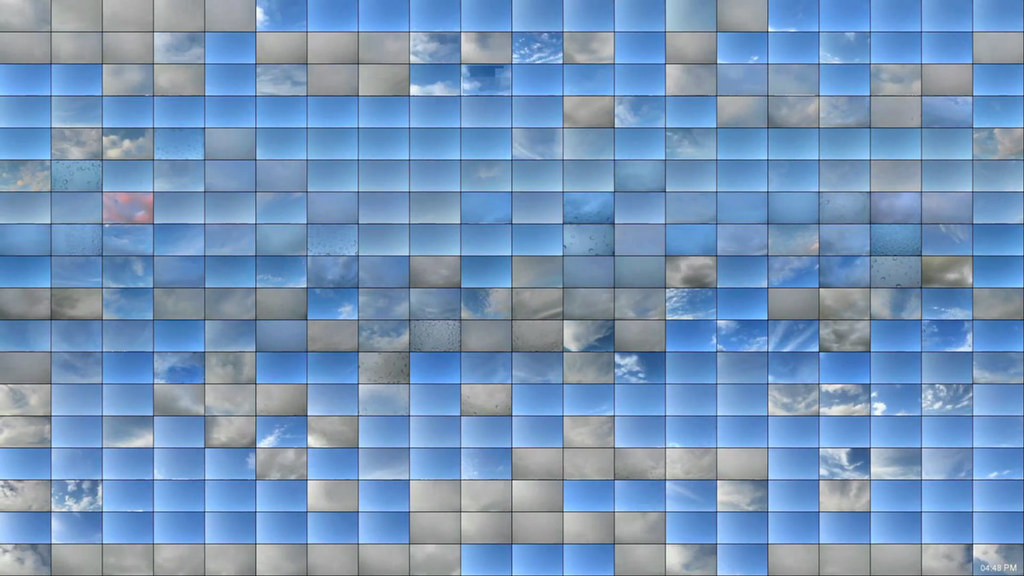
A History of the sky
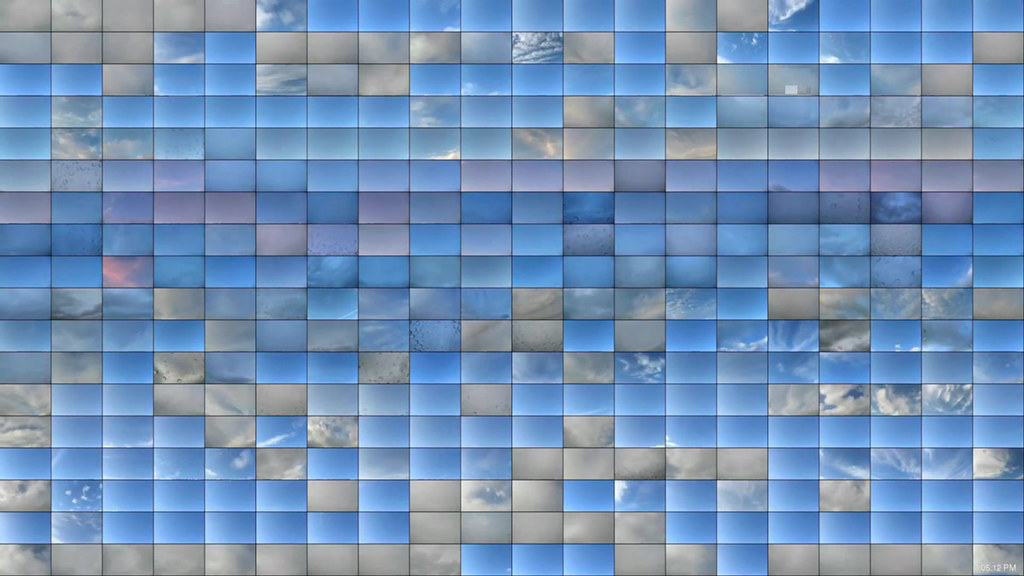
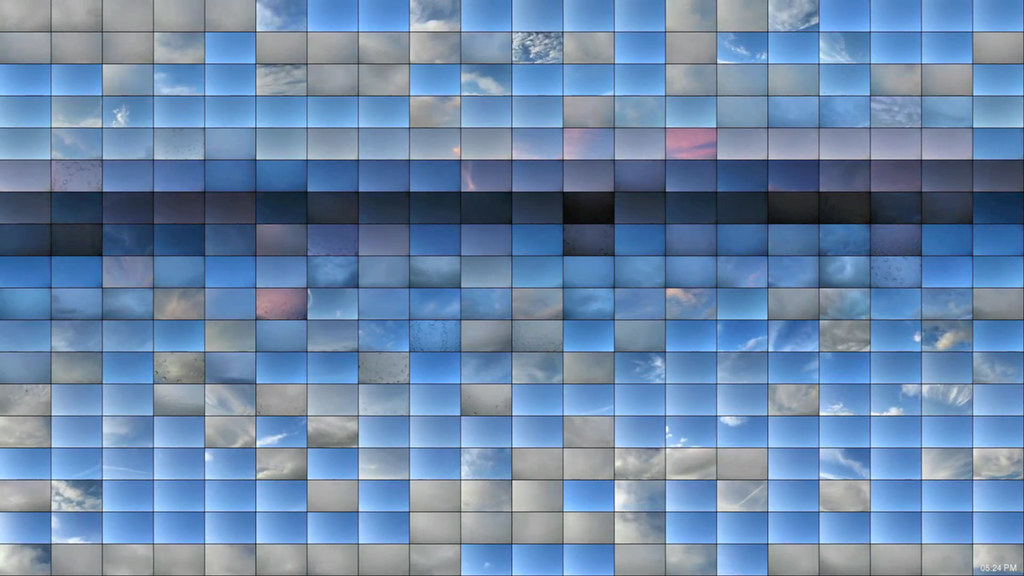
Ken Murphy custom-designed the technology to capture this matrix of 360 24-hour time-lapses of the sky over San Francisco over the course of a year. This single camera pointing to the sky took 1 photo every 10 seconds over a 24 hour period for one year.
The following mosaic combines 360 of these time-lapse films, each tracking a 24 hour period starting before dawn. The time lapses are synced and arranged chronologically; the darker strip of footage in the centre is presumably from the dim winter months.
discovered via The Atlantic
discovered via The Atlantic
Wednesday, February 23, 2011
In Catalan the word 'castell' means castle.
The sash (faixa) is the most important part of their outfit, since it supports the lower back and is used by other castellers in the team as a foothold or handhold when climbing up the tower. (1)
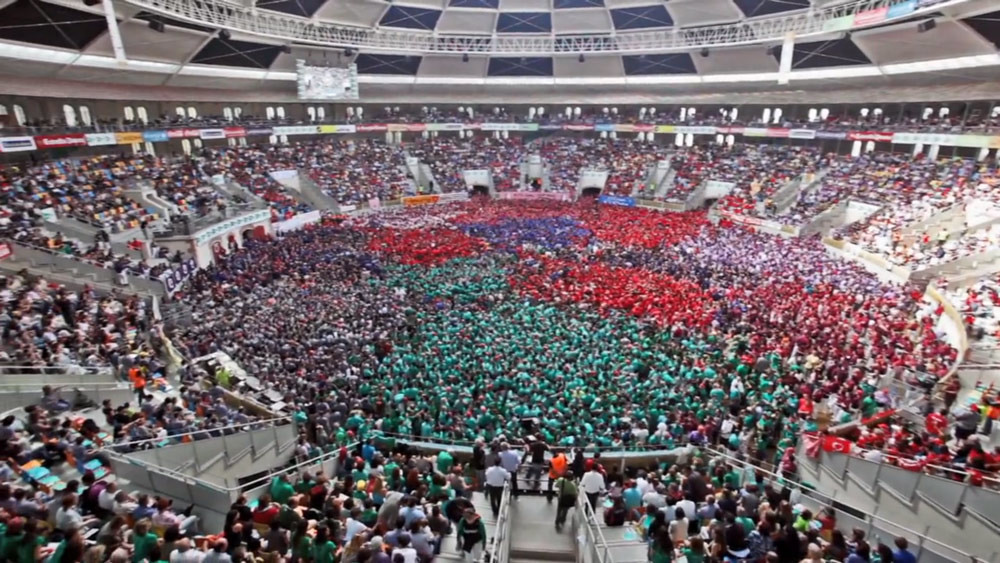

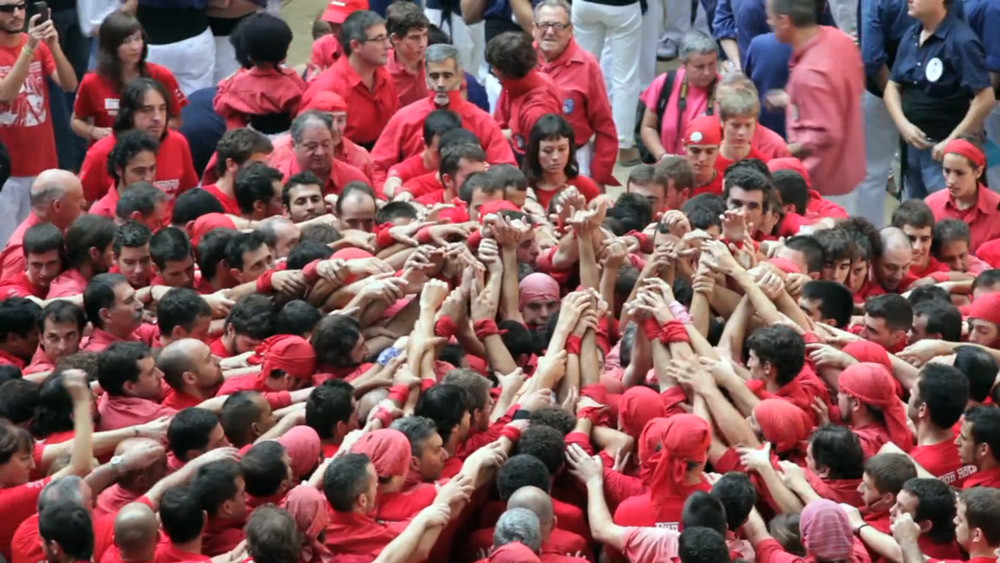
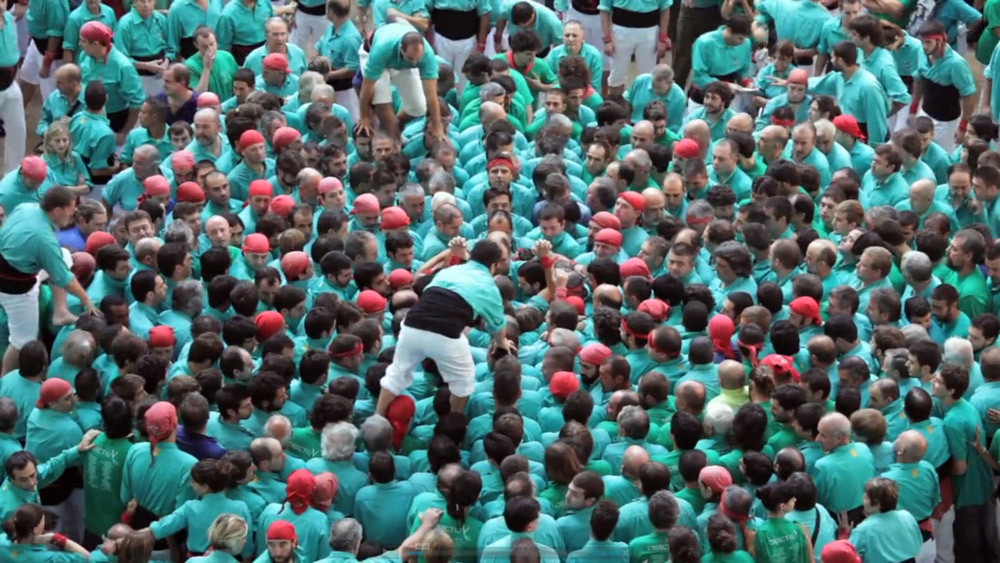
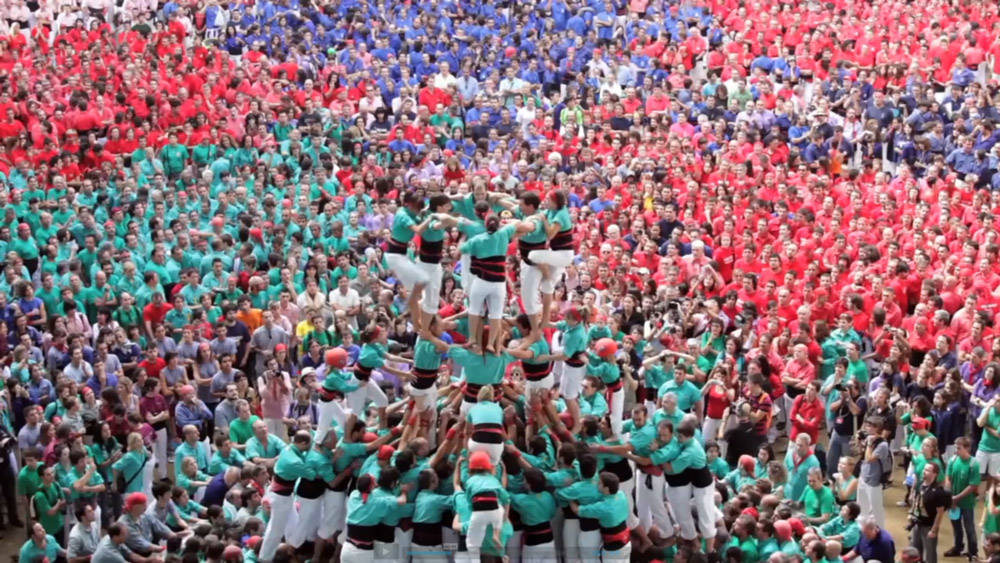
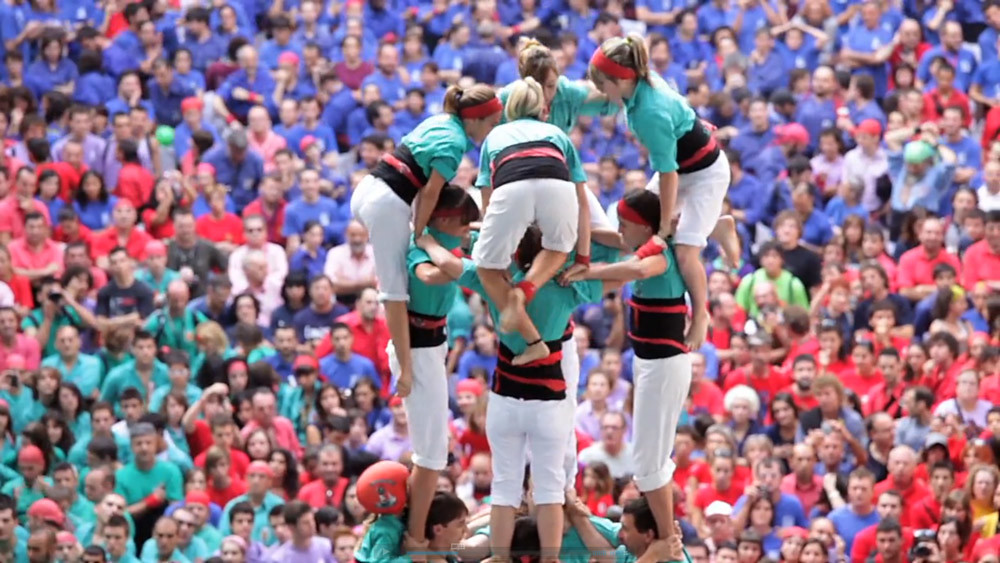
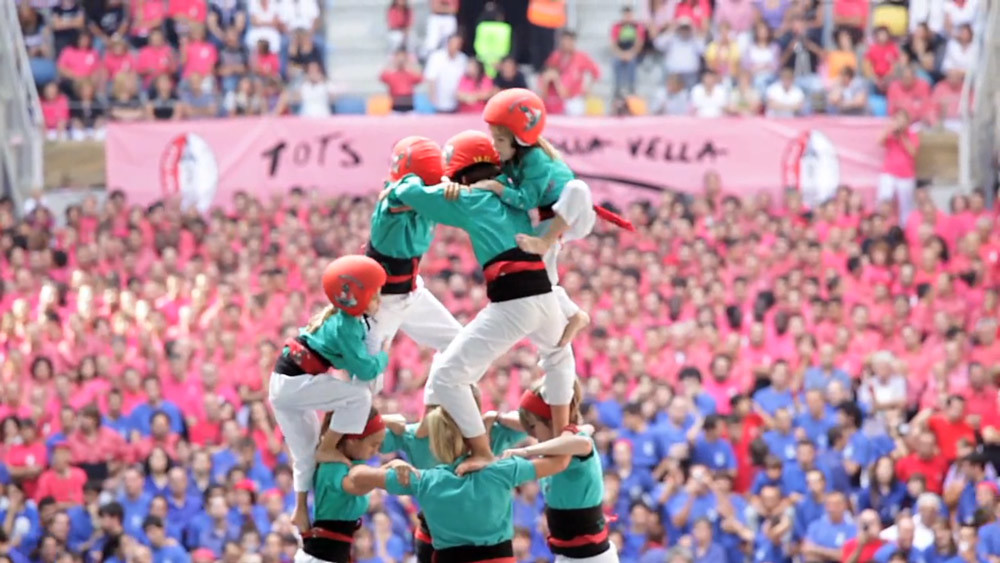
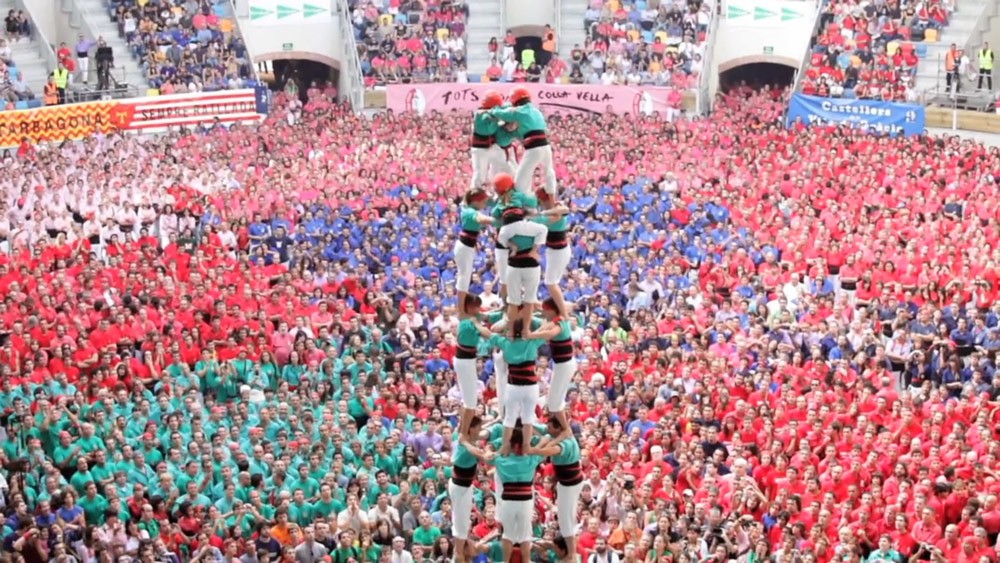
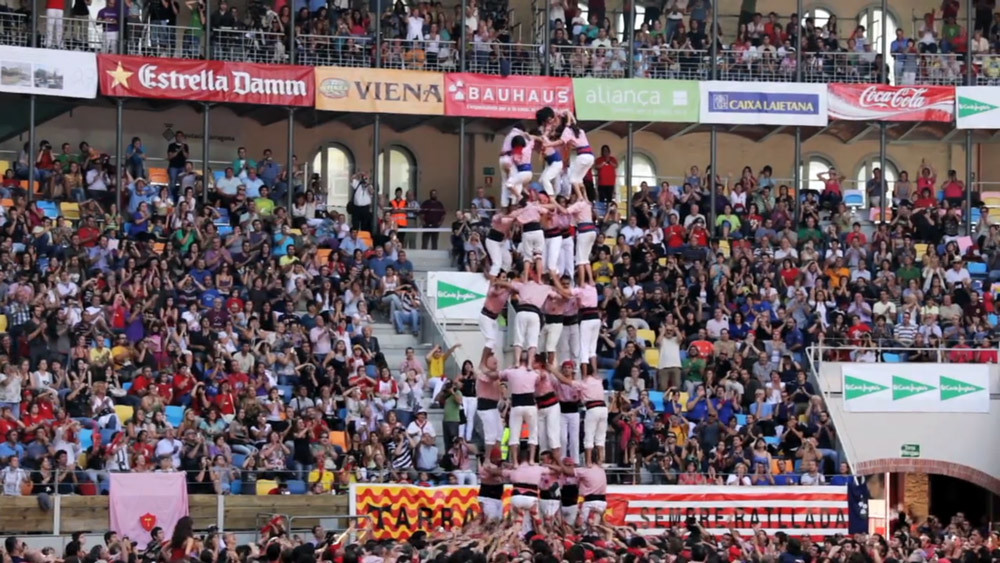
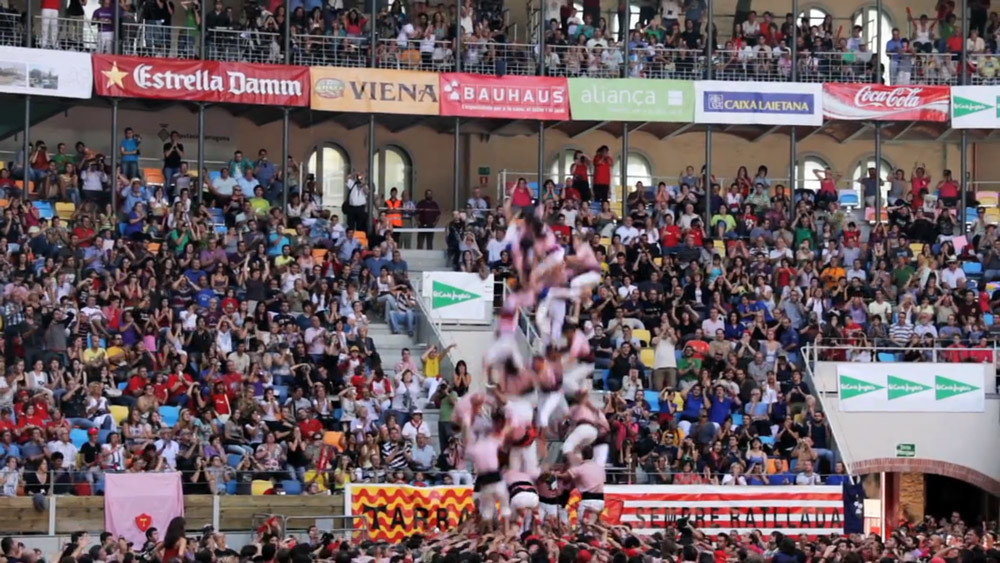
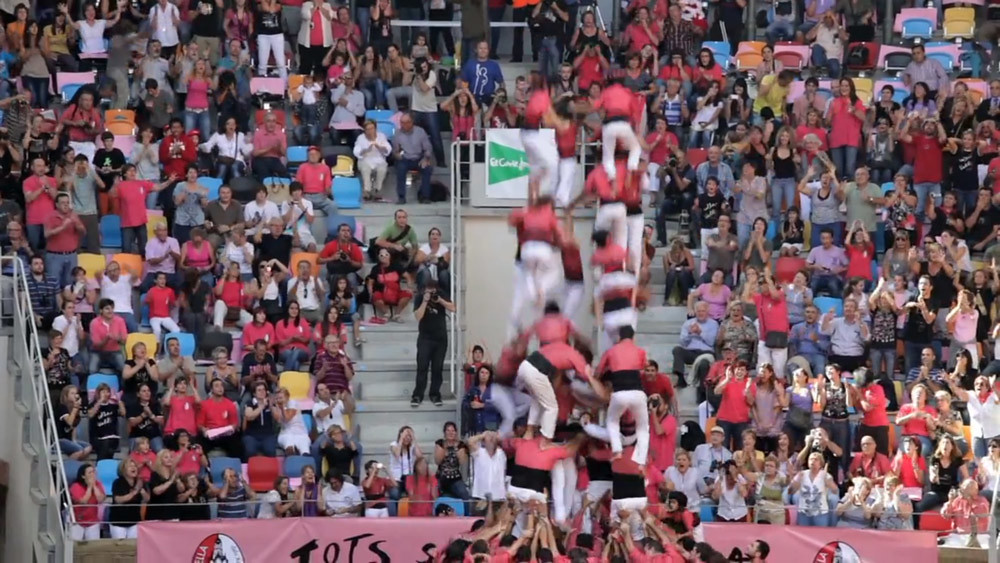
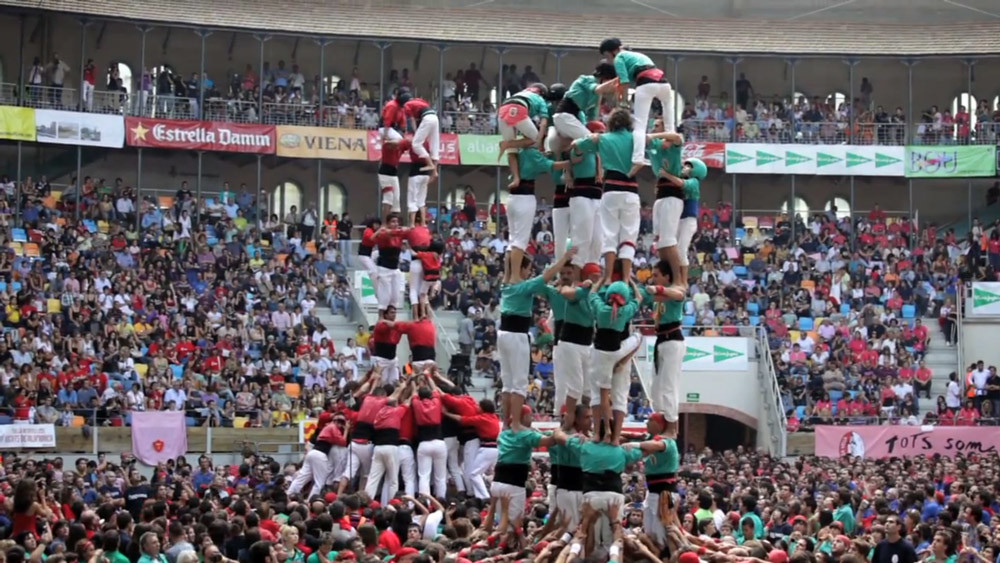
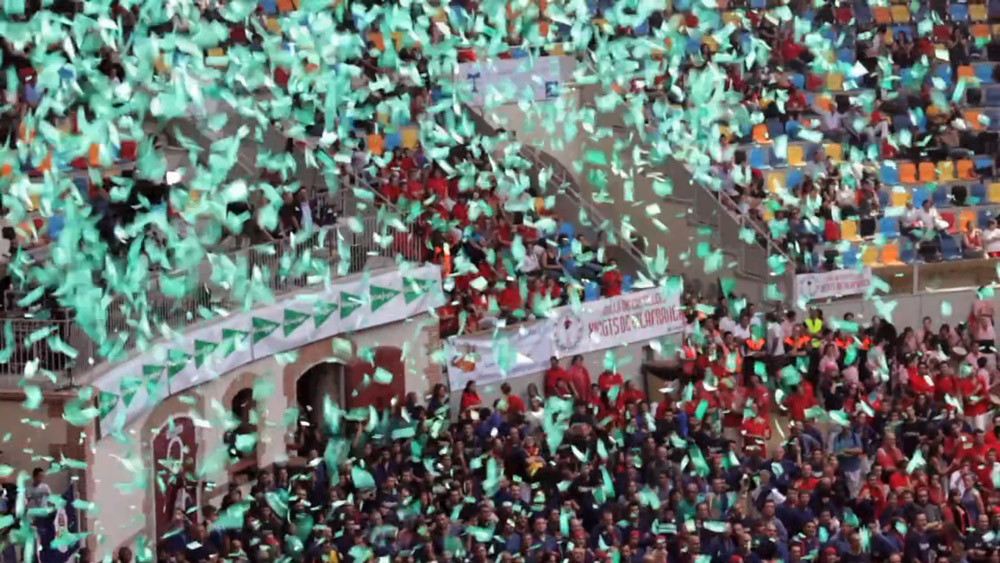
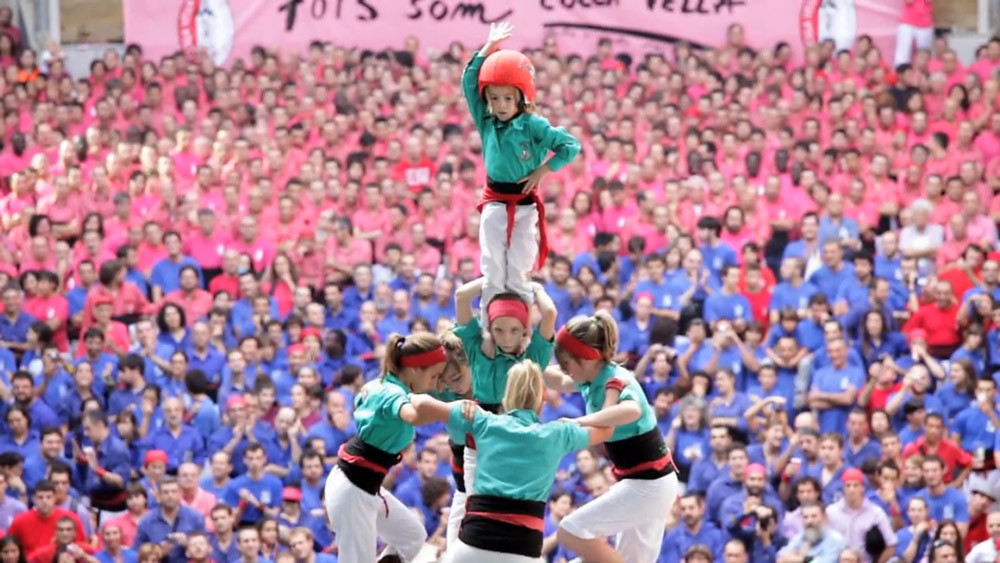
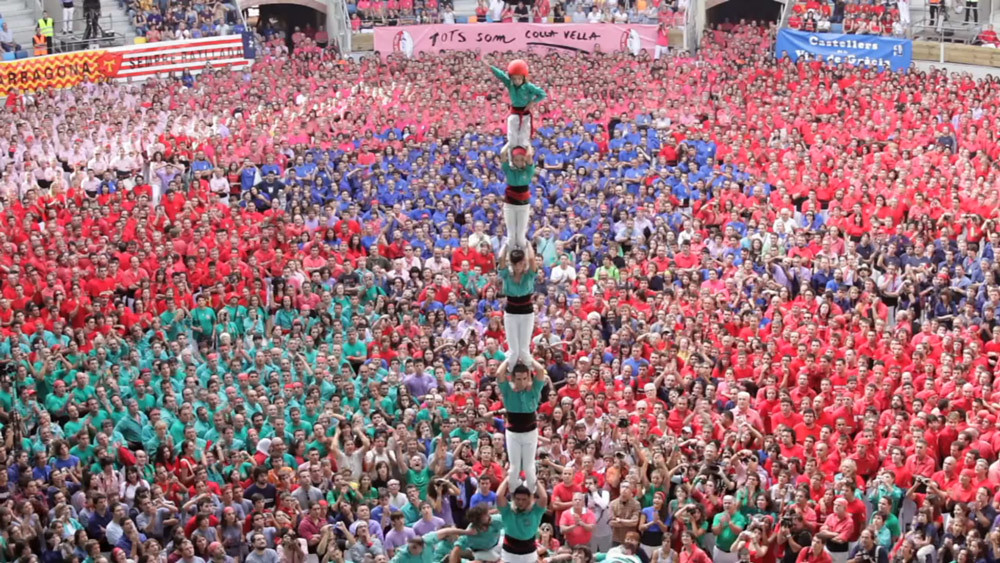
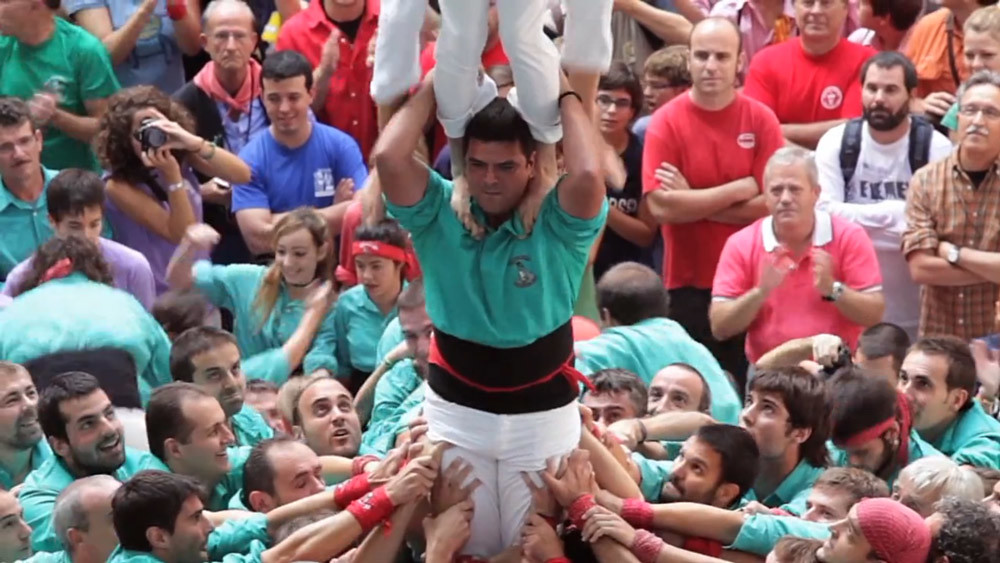
'A castell is considered a success when stages of its assembling and disassembling, can be done in complete succession. The assembly is complete once all castellers have climbed into their designated places, and the enxaneta climbs into place at the top and raises one hand with four fingers erect, in a gesture said to symbolize the stripes of the Catalan flag. The enxaneta then climbs down the other side of the castell, after which the remaining levels of castellers descend in highest-to-lowest order until all have reached safety.' (2)
Casteller from Mike Randolph on Vimeo.
'A castell is considered a success when stages of its assembling and disassembling, can be done in complete succession. The assembly is complete once all castellers have climbed into their designated places, and the enxaneta climbs into place at the top and raises one hand with four fingers erect, in a gesture said to symbolize the stripes of the Catalan flag. The enxaneta then climbs down the other side of the castell, after which the remaining levels of castellers descend in highest-to-lowest order until all have reached safety.' (2)
Subscribe to:
Posts (Atom)